

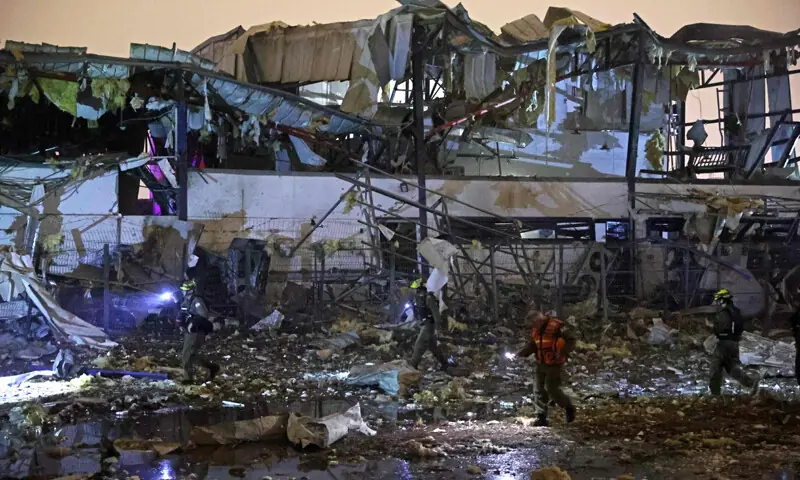
WASHINGTON: The United States and Israel intensified their military campaign against Iran on Thursday, striking key infrastructure targets including a century-old medical research centre in Tehran, a major bridge near the capital, and several steel plants.
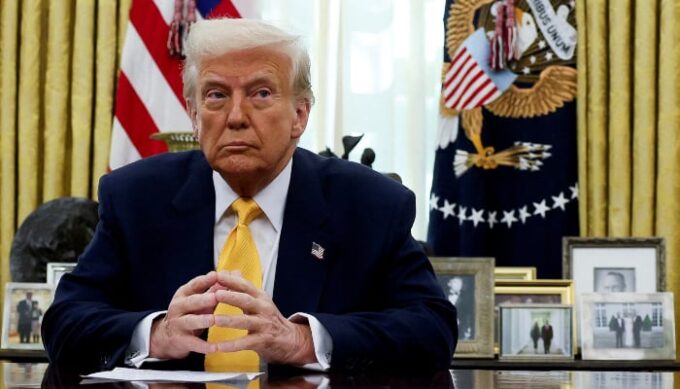
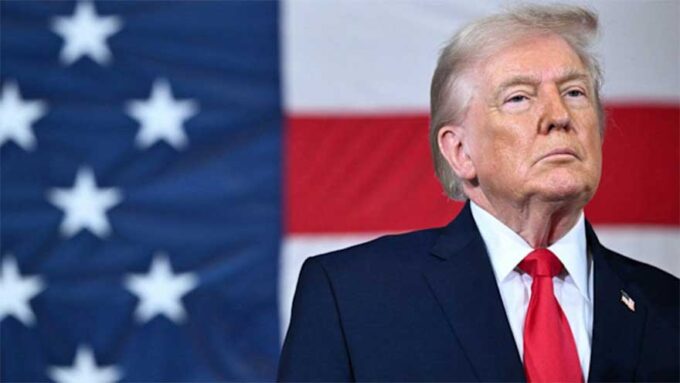
The escalation follows strong warnings from Donald Trump, who threatened to push Iran “back to the Stone Ages” if tensions continue to rise. Shortly after the strikes, Trump claimed that one of Iran’s largest bridges had been destroyed. He shared footage showing smoke rising from the B1 bridge in Karaj, about 35 kilometers southwest of Tehran, and warned that further destruction would follow unless Iran agrees to negotiations to end the five-week conflict.
He emphasized that time was running out for Iran to avoid deeper devastation. Meanwhile, Iranian authorities reported no casualties from the attack. According to local officials in Khorasan Razavi province, emergency teams were quickly deployed, and firefighting efforts were ongoing to contain damage caused by the strikes.
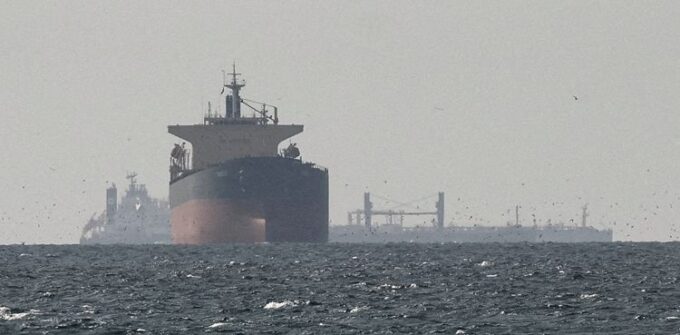
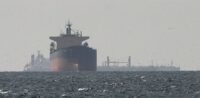
On the diplomatic front, a UK-led meeting involving around 40 countries concluded with a strong demand for the immediate reopening of the Strait of Hormuz, a critical global shipping route. British Foreign Secretary Yvette Cooper accused Iran of attempting to disrupt global trade and called for adherence to international maritime laws.
France also weighed in on the situation, with President Emmanuel Macron stating that any military attempt to secure the Strait of Hormuz would be unrealistic. He further expressed concern over inconsistent statements coming from the United States regarding the war and NATO’s role.
The Gulf Cooperation Council, represented by Secretary General Jassem al-Budaiwi, urged the United Nations Security Council to take decisive action. He called for authorization of force if necessary to protect maritime routes and ensure the uninterrupted flow of international trade through the Strait.
China strongly criticized the United States and Israel, labeling them the “root cause” of the crisis. Chinese Foreign Minister Wang Yi argued that the ongoing attacks violate international law and worsen instability in the region, particularly as China relies heavily on oil shipments passing through the Strait.
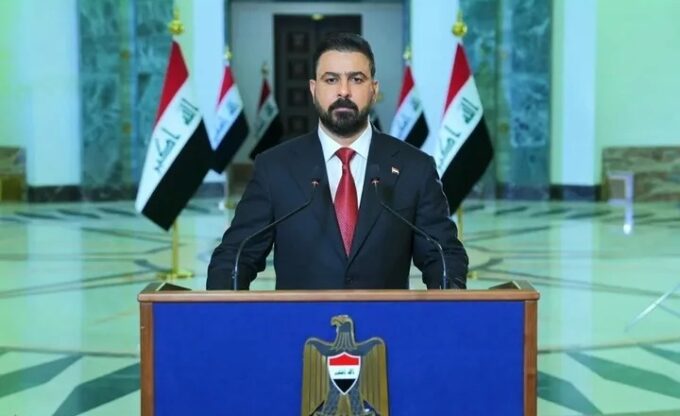
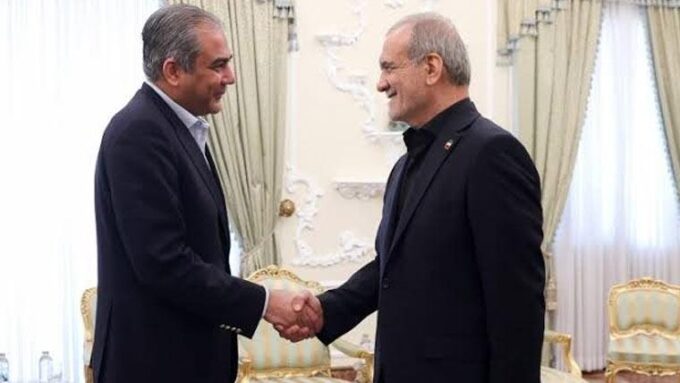
In a separate development, Argentina expelled Iran’s envoy, Mohsen Soltani Tehrani, citing what it described as false and offensive statements made by Tehran. The move further highlights the growing diplomatic fallout surrounding the conflict.Tensions also spread to Iraq, where a drone strike targeted a US diplomatic and logistics facility at Baghdad International Airport.
The attack caused a fire but resulted in no casualties, according to Iraqi security officials.Efforts to reduce tensions continue, with Russian President Vladimir Putin urging stronger diplomatic engagement during a call with Saudi Crown Prince Mohammed bin Salman. The discussion comes as regional instability grows, particularly with increasing drone threats and shifting alliances, including a recent air-defense agreement between Ukraine and Saudi Arabia.




Leave a comment