

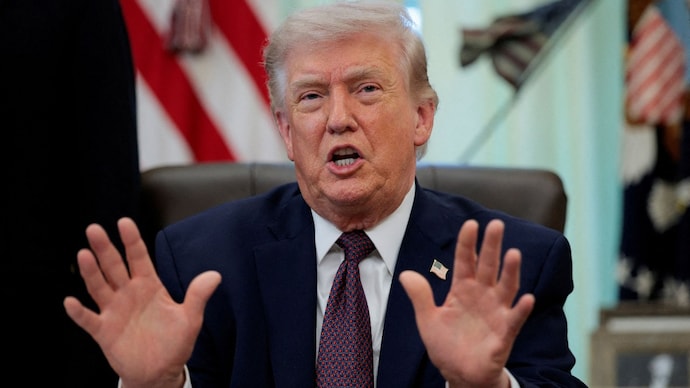
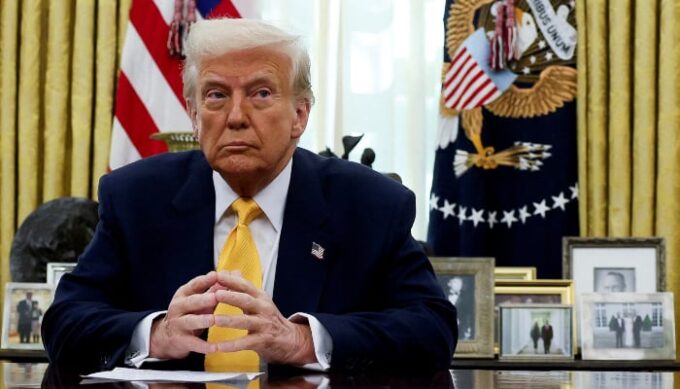
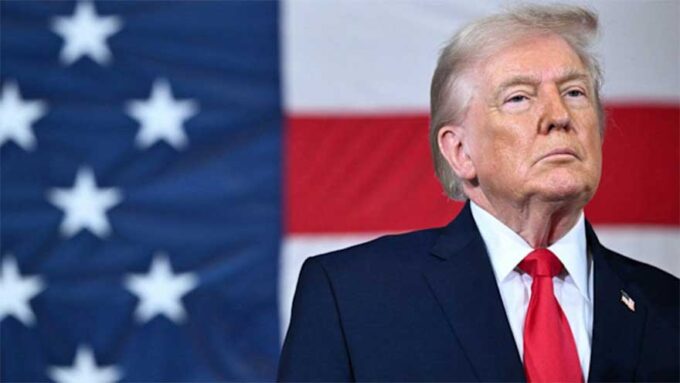
Washington: Donald Trump on Sunday indicated that peace talks between Washington and Tehran would continue — but over the phone — a day after cancelling his team’s visit to Islamabad due to Iran’s reluctance to engage in dialogue.
Speaking to Fox News, Trump said he had halted US diplomatic travel for the negotiations, telling Iran it could either call or come to Washington instead.
“We have all the cards,” he said, adding that the US would not send representatives on an 18-hour journey to Pakistan when it already held the stronger negotiating position. “They know what has to be in the agreement… They cannot have a nuclear weapon, otherwise there’s no reason to meet,” he added, stressing that the move did not signal a return to hostilities.
The US president also praised Pakistan’s role in facilitating dialogue, saying he had “great respect for Pakistan” and that Islamabad would remain involved in the process. “We are going to do it by telephone,” he said regarding talks with Iran.
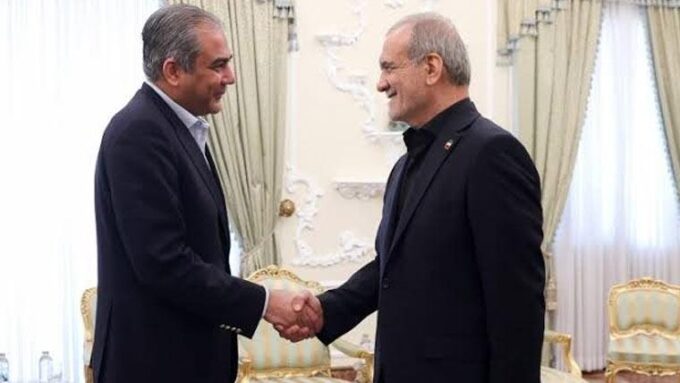
Meanwhile, Iran’s ambassador to Pakistan Reza Amiri Moghadam expressed gratitude to Pakistan, particularly Shehbaz Sharif and Asim Munir, for their efforts to support peace and facilitate diplomatic engagement.
The developments followed Iranian Foreign Minister Abbas Araghchi’s departure from Islamabad, where he made a brief stopover before heading to Moscow after a visit to Muscat.
Araghchi had earlier met Pakistan’s civilian and military leadership, including the army chief and prime minister, to convey Iran’s response to US proposals.
On Sunday, he again met Pakistani officials to share “Iran’s positions and views on the framework of any understanding to completely end the war” in the Middle East before travelling onward to Russia.
Iranian media reported that the second stop in Islamabad was not linked to nuclear negotiations, but part of ongoing consultations, according to Al Jazeera.
Following Trump’s remarks, it became clear that Islamabad would not host the next round of talks for now, while restrictions on movement in the twin cities were lifted.
A late-night statement by Ishaq Dar confirmed the easing of restrictions around the Serena Hotel and Red Zone, thanking residents for their patience amid days of traffic disruption and roadblocks.
Earlier, two US Air Force C-17 aircraft carrying security personnel and equipment departed Pakistan, according to government sources cited by Reuters.
Araghchi’s engagements
In Muscat, Araghchi briefed Haitham bin Tariq on Iran’s perspective regarding regional developments and peace efforts, Oman’s foreign ministry said. The Sultan stressed the importance of dialogue and diplomacy in strengthening regional stability.
Reuters reported that Iran’s foreign ministry also said discussions included security in the Strait of Hormuz, with Araghchi calling for a regional security framework free of external interference.
Qatar’s Prime Minister Mohammed bin Abdulrahman Al Thani also held a phone call with Araghchi, discussing efforts to promote peace, security, and stability in the region, according to Al Jazeera.
The Iranian foreign minister also spoke with counterparts from Saudi Arabia, Turkey, and Egypt, with **IRNA reporting exchanges on diplomacy, ceasefire efforts, and regional developments.
Araghchi further held a phone call with Saudi Foreign Minister Faisal bin Farhan Al Saud, discussing ongoing diplomatic processes and regional issues, Iranian state media reported.
Turkey’s Foreign Minister Hakan Fidan also held talks with Araghchi focused on US–Iran negotiations, while Reuters reported he separately engaged with US negotiators on recent developments.
Hormuz blockade deepens
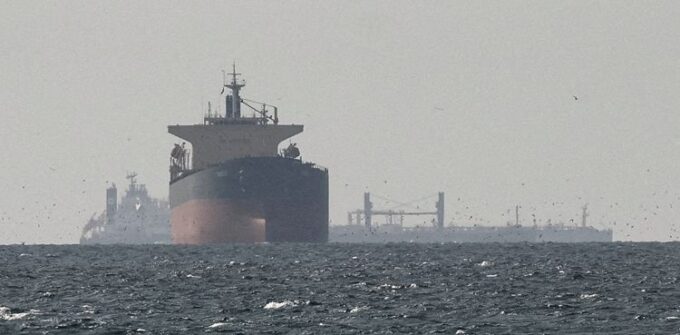
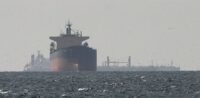
Pressure to end the conflict has intensified as the Strait of Hormuz remains closed. Iran’s Revolutionary Guards said they have no intention of lifting the blockade, which has disrupted global energy flows.
They stated: “Controlling the Strait of Hormuz and maintaining the shadow of its deterrent effects over America and the White House’s supporters in the region is the definitive strategy of Islamic Iran.”
The IRGC also warned of a “beyond expectation” response to further aggression, adding that restraint could turn into a “hellish storm” in the event of renewed attacks, according to IRNA.
Meanwhile, the US Central Command said it intercepted a merchant vessel attempting to breach the blockade. The ship, identified as Sevan, was part of a 19-vessel “shadow fleet” transporting Iranian oil and gas, Reuters reported.
Since the blockade began, 37 ships have been redirected, according to US military officials.
Separately, Keir Starmer and Donald Trump discussed the urgent need to restore shipping through the Strait of Hormuz, Al Jazeera reported, citing a Downing Street spokesperson.
The British prime minister also updated Trump on a joint initiative with Emmanuel Macron aimed at restoring freedom of navigation in the strategic waterway.




Leave a comment