

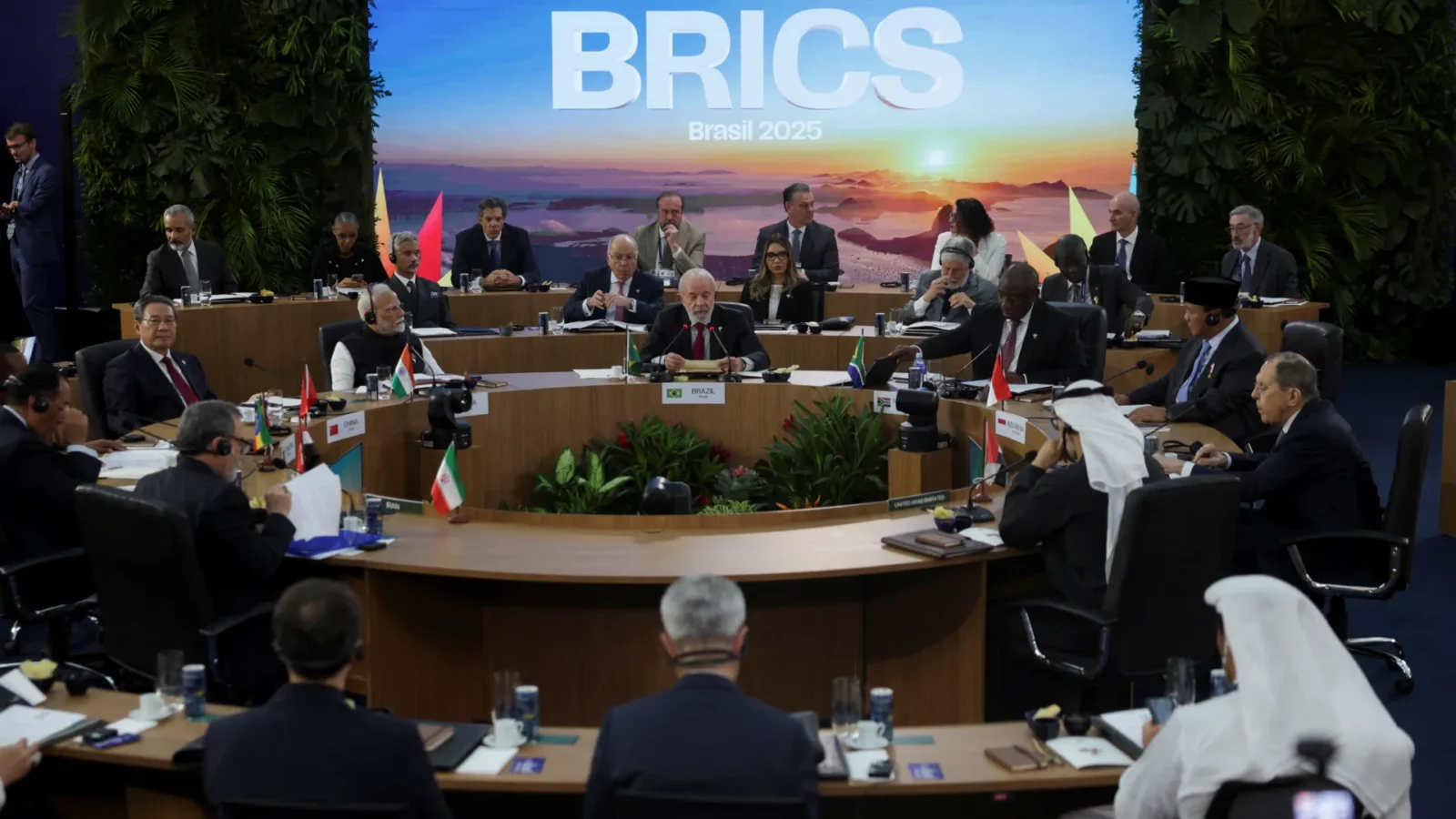
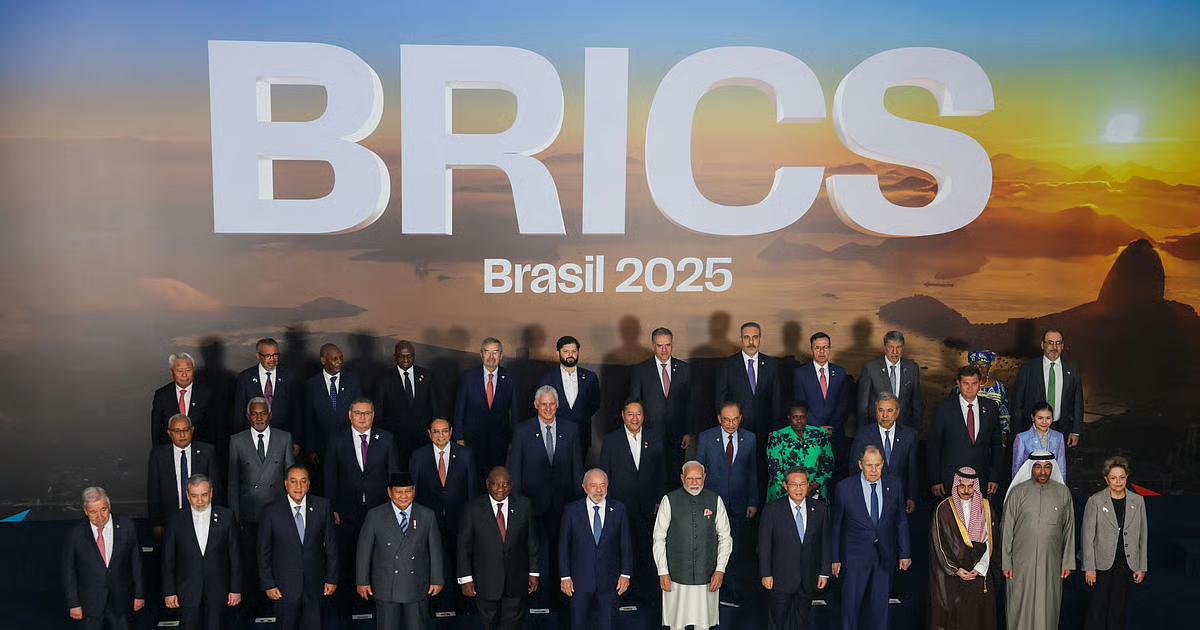
The BRICS alliance is facing growing internal divisions after failing to issue a collective response to the ongoing war between the United States, Israel, and Iran during India’s current chairmanship of the bloc. The silence from the 11-member grouping has raised questions about the unity and effectiveness of the organization, which is often portrayed as a leading voice of the Global South.
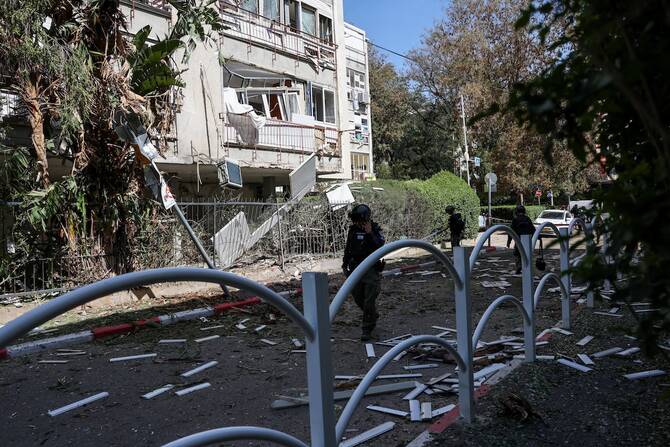
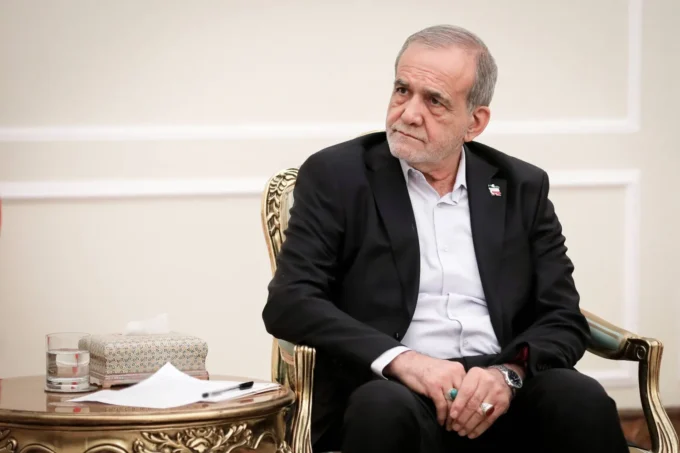
Despite Iran being a full member of the expanded BRICS alliance, the group has not released any joint statement condemning or addressing the military strikes carried out by the United States and Israel. Analysts say this unusual silence reflects deep differences among member states regarding how to respond to the escalating conflict in the Middle East.
Individually, several founding members have taken clear positions. China and Russia expressed concern over the attacks and emphasized respect for Iran’s sovereignty and the need to avoid further escalation in the region. Chinese officials have warned against the “law of the jungle” in international relations and stressed that civilians should not become victims of geopolitical conflicts.
South Africa also criticized the strikes and warned that continued military escalation could destabilize the wider Middle East. South African leaders have called for an immediate ceasefire and urged all parties to return to diplomacy to prevent the conflict from spreading beyond the region.
However, India—currently holding the BRICS chairmanship—has adopted a more cautious approach. Instead of condemning the US-Israeli strikes, New Delhi has emphasized the importance of dialogue and diplomacy while urging all sides to work toward a peaceful resolution. Indian officials have warned that the conflict could threaten regional stability and the safety of thousands of Indian citizens living in Gulf countries.
Observers believe India’s balancing strategy reflects its complex geopolitical position. While India maintains long-standing ties with Iran, it has also developed closer strategic relations with both the United States and Israel in recent years. Critics argue that these relationships may be influencing New Delhi’s reluctance to support a stronger BRICS statement against the attacks.
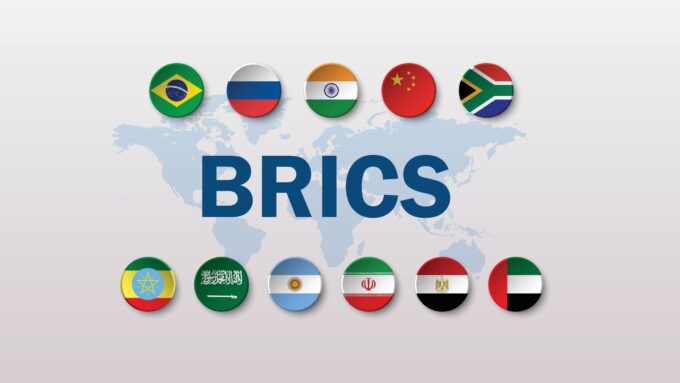
The lack of a unified response has fueled debate about the cohesion of the BRICS alliance, which expanded in recent years to include countries such as Iran, the United Arab Emirates, Egypt, Ethiopia, and Indonesia. With its membership now spanning diverse political and strategic interests, achieving consensus on major international crises has become increasingly difficult.
Political analysts warn that the current situation could affect BRICS’ credibility as a platform representing the Global South. In previous conflicts, the bloc was quicker to issue statements criticizing unilateral military actions and violations of international law. The absence of a collective response in this case has led some observers to question whether the organization can function as a coordinated geopolitical force.
As the war between the United States, Israel, and Iran continues to escalate, the pressure on BRICS leadership is likely to intensify. Many analysts believe that unless the alliance finds a way to reconcile its internal differences, the crisis could expose deeper structural weaknesses within the group.
For now, the conflict has highlighted a critical challenge for BRICS: balancing the diverse strategic interests of its members while maintaining its ambition to act as a unified voice for the developing world.







Leave a comment