

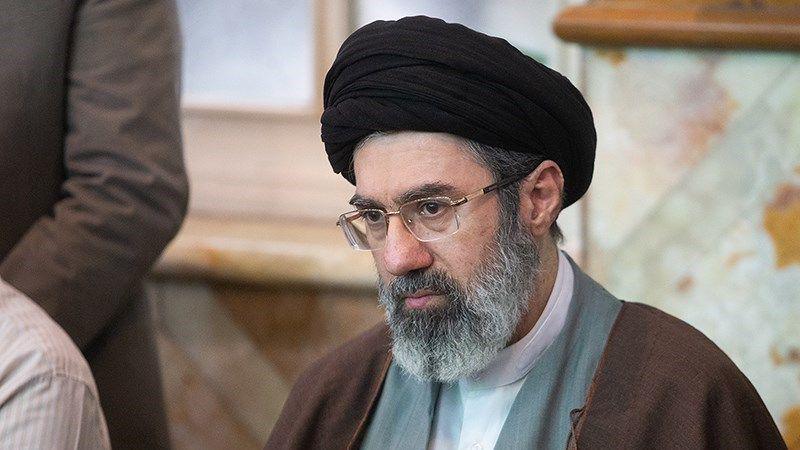
In a decisive moment for the Islamic Republic, Iran’s powerful clerical body, the Assembly of Experts, has elected Sayyed Mojtaba Khamenei as the country’s new Leader, succeeding his father Sayyed Ali Khamenei, who was killed in the initial wave of joint U.S.–Israeli strikes on Iran on February 28. The selection marks one of the most consequential leadership transitions in the history of the Islamic Republic and comes amid an escalating confrontation between Iran and its Western adversaries.
The appointment arrives at a time of extraordinary geopolitical tension following the decision by the United States and Israel to launch a large-scale military campaign against Iran. Iranian officials have described the conflict as an existential struggle aimed at undermining the Islamic Republic’s sovereignty and political system. Against this backdrop, the swift decision by the Assembly of Experts is seen by many observers as an effort to ensure continuity and stability within the country’s leadership structure.
Early life and background
Born in 1969 in the northeastern Iranian city of Mashhad, Mojtaba Khamenei grew up at the center of Iran’s revolutionary establishment. His childhood coincided with the transformative period surrounding the Iranian Revolution, which reshaped Iran’s political and religious institutions. Raised in a deeply religious and politically active household, he was exposed from an early age to the inner workings of state governance and revolutionary ideology.
As a young man, he pursued religious studies in the seminaries of Qom, the most prominent theological hub for Shiite Islam. There he specialized in Islamic jurisprudence and the principles of Islamic law, advancing through the highest levels of seminary education. His academic training provided him with the religious credentials widely regarded as essential for leadership in Iran’s clerical system.
Influence shaped by war
Mojtaba Khamenei’s political outlook was heavily influenced by the Iran–Iraq War, a conflict that defined an entire generation of Iranian leaders. During that period he developed connections with the Islamic Revolutionary Guard Corps (IRGC), serving alongside fighters who later rose to prominent positions within Iran’s military and security establishment.
The wartime experience forged enduring relationships with commanders and security officials, creating a network of trust that analysts believe has played a crucial role in his rise to power. These connections are now considered significant as Iran navigates a period of heightened military confrontation.
A powerful figure behind the scenes
Unlike many political leaders who rise through formal government posts, Mojtaba Khamenei accumulated influence largely outside the public spotlight. For years he remained a relatively discreet figure while reportedly playing a key role in coordinating communication between state institutions and the office of the Supreme Leader.
His influence became more widely discussed during the political unrest that followed Iran’s disputed 2009 presidential election. Since then, his name has frequently appeared in political analyses examining the balance of power within the Islamic Republic.
Beyond politics, Mojtaba Khamenei has built a reputation in religious scholarship. For more than 17 years he reportedly taught advanced seminary courses in Islamic jurisprudence and legal principles, earning recognition from clerical circles for his academic rigor.
A symbolic succession amid confrontation
The decision by the Assembly of Experts carries both symbolic and strategic significance. While Iran’s political system has historically avoided hereditary succession, the extraordinary circumstances surrounding the death of Ali Khamenei have reshaped the context of the leadership transition.
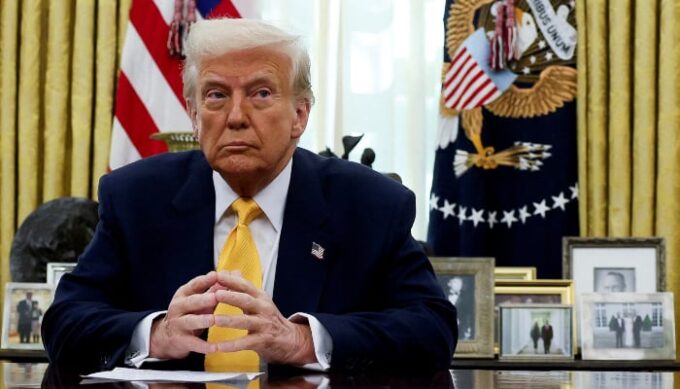
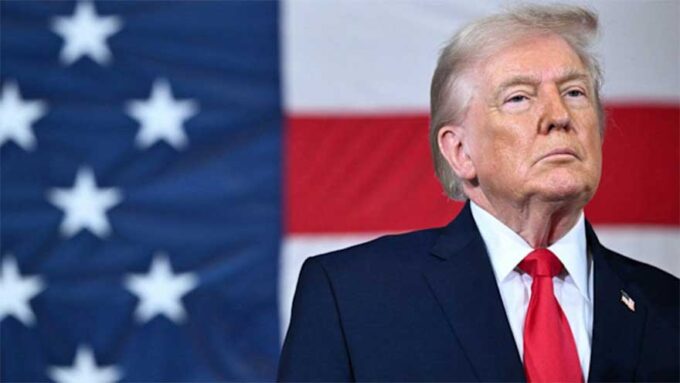
Iranian officials say the late leader was killed in coordinated airstrikes carried out by the United States and Israel, which Israeli authorities described as a “decapitation strike” designed to disrupt Iran’s leadership structure. The succession debate also drew attention from Donald Trump, who publicly criticized Mojtaba Khamenei and signaled support for a different leadership outcome more aligned with Washington’s regional objectives.
For Iranian officials, however, the selection represents a collective assertion of national sovereignty by the country’s clerical establishment, political leadership, and military institutions.
Pledge to continue the revolutionary path
Upon assuming leadership, Mojtaba Khamenei pledged to uphold the ideological legacy of the founder of the Islamic Republic, Ayatollah Ruhollah Khomeini. Iranian authorities emphasize that the transition reflects continuity with the principles that have guided the Islamic Republic for decades while also preparing the country to confront new geopolitical challenges.
Support across Iran’s political establishment
The new leader’s election has drawn support from various figures within Iran’s political system. President Masoud Pezeshkian described the decision as the beginning of a new phase of development and resilience for the Iranian nation.
First Vice President Reza Aref also voiced his backing, calling Mojtaba Khamenei a capable and knowledgeable figure suited to lead the country through difficult circumstances. Reformist thinker Atta’allah Mohajerani similarly expressed support, suggesting that the transition has received approval from multiple political currents within Iran.
The judiciary and other state institutions affirmed the legitimacy of the process, noting that the Assembly of Experts reached its decision by an overwhelming majority vote.
Regional allies react
Support for the new Iranian leader has also emerged from regional allies. Mahdi al-Mashat, head of Yemen’s Supreme Political Council, described the selection as evidence of Iran’s political cohesion. Meanwhile, Iraq-based resistance group Kata’ib Hezbollah praised the Assembly of Experts for choosing a leader capable of guiding the broader resistance movement during a period of regional instability.
Resilience during crisis
Iranian officials argue that the rapid leadership transition demonstrates the resilience of the country’s political institutions. Secretary of the Supreme National Security Council, Ali Larijani, said the election proved that attempts to destabilize the country by targeting its leadership had failed.
International observers have also highlighted the broader significance of the transition. Analysts cited by outlets such as The New York Times and Financial Times suggest the decision signals Iran’s determination to maintain its strategic course despite mounting pressure from the United States and Israel.
A decisive moment ahead
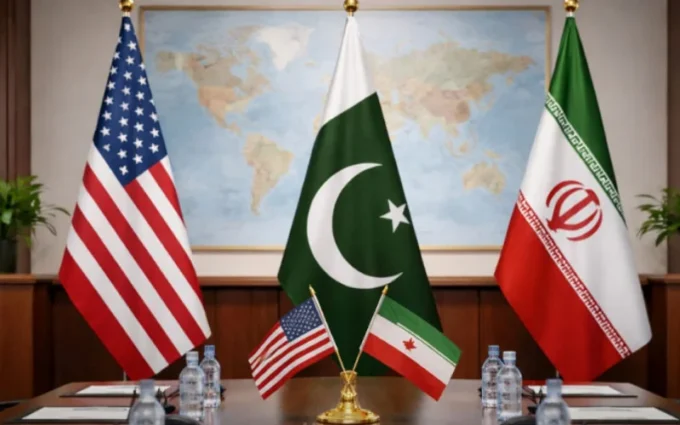
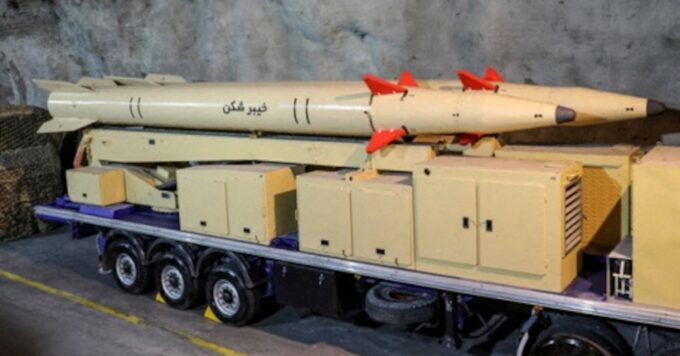
As Mojtaba Khamenei begins his tenure, Iran faces a series of critical decisions ranging from military strategy and regional alliances to the future of its nuclear program and diplomatic negotiations. The choices made in the coming months will not only shape the direction of the Islamic Republic but could also influence the broader balance of power across the Middle East.




Leave a comment