

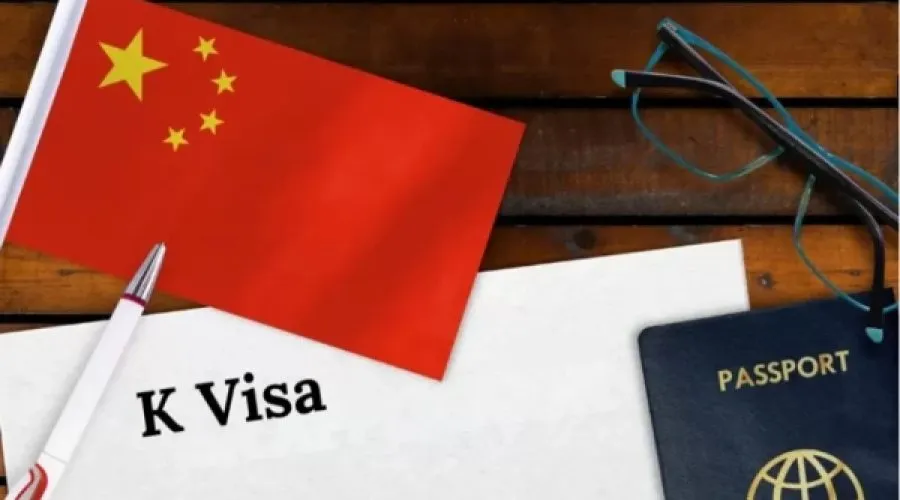
China officially rolled out a new visa program on Wednesday aimed at drawing in foreign professionals in science and technology. The initiative is part of Beijing’s broader strategy to strengthen its position as a global innovation leader and challenge U.S. dominance in the field.
The measure, first announced in August, comes in sharp contrast to recent American immigration policies. While China is opening its doors to overseas experts, the Trump administration last month introduced sudden, costly changes to the U.S. H-1B visa system, a move that unsettled the tech industry.
China’s new K visa is designed to streamline the immigration process for qualified applicants. Unlike many existing categories, it does not require sponsorship from a Chinese employer. According to state media, the visa provides multiple entries, longer validity, and greater flexibility in length of stay.
The official target group is described as “young foreign scientific and technological talents,” though Beijing has yet to clarify specific eligibility criteria such as age limits, educational background, or work experience. Holders of the K visa will be permitted to participate in education, cultural exchanges, research, entrepreneurship, and other related activities.
Chinese media outlets framed the move as timely and strategic. The People’s Daily argued that, while some countries are “turning inward” and shutting out international talent, China is “seizing the opportunity” to become a magnet for global expertise. Xinhua echoed this, dismissing speculation that the new visa could trigger an immigration crisis, calling such concerns “strange rumours.”
In contrast, across the Pacific, the U.S. tech sector is reeling from the administration’s sudden overhaul of H-1B visas, which now include a one-time fee of $100,000. These visas, widely used by tech giants to hire foreign specialists such as engineers, scientists, and programmers, are especially popular among Indian nationals, who secure nearly three-quarters of them each year through a lottery system.
The divergent approaches highlight a growing competition: while Washington tightens entry for skilled workers, Beijing is offering new incentives to foreign innovators, signaling its ambition to become a leading global hub for science and technology.













Leave a comment