

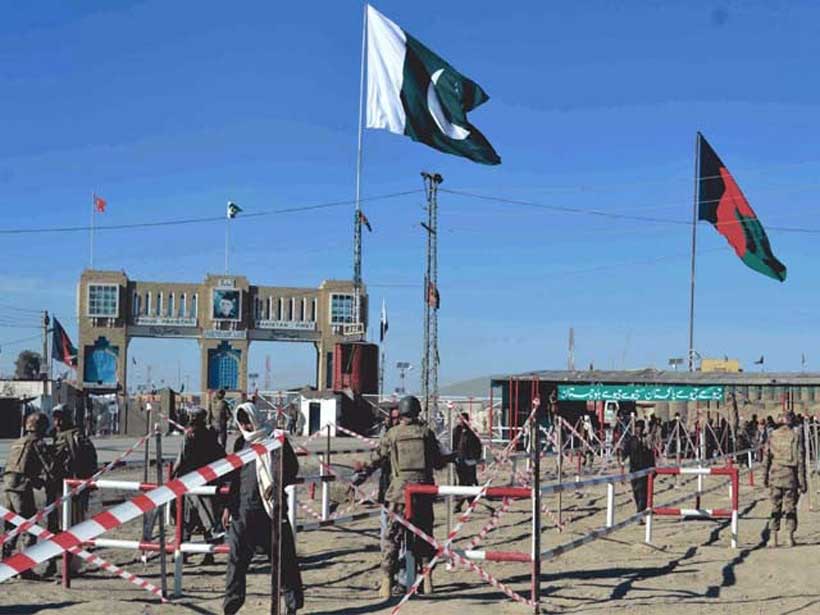
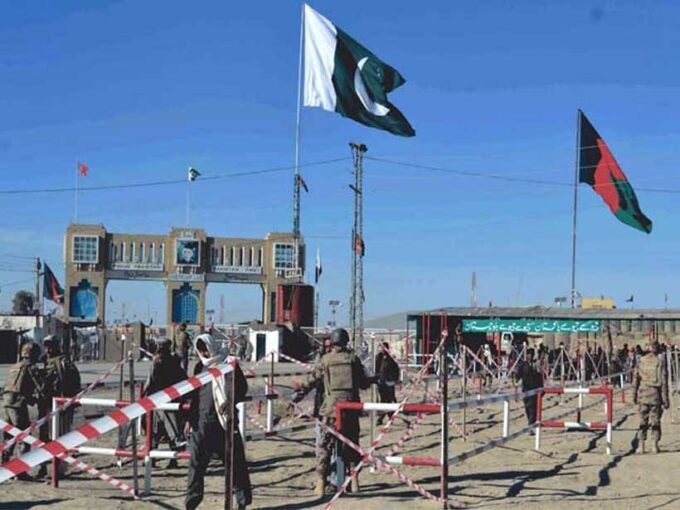
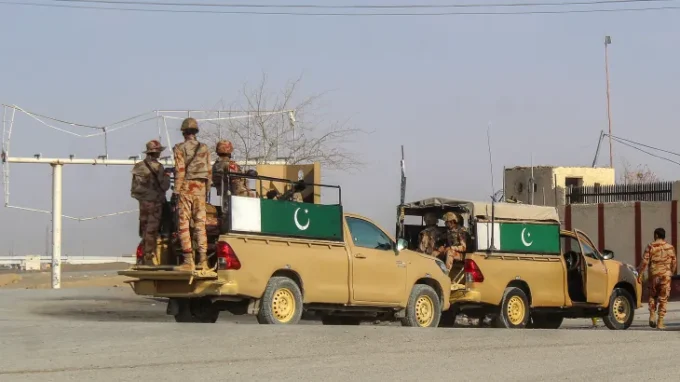
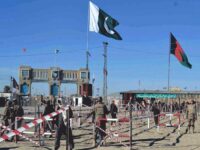
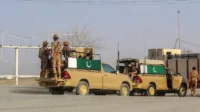
Pakistan has announced that it is now in “open war” with Afghanistan’s Taliban government, following reports of explosions in Kabul and ongoing clashes along the shared border. Pakistani authorities stated that airstrikes have targeted Afghan cities including Kandahar and Paktika, intensifying a conflict that has rapidly escalated in recent days.
The declaration came hours after Taliban spokesperson Zabihullah Mujahid claimed that Afghanistan was carrying out “large-scale offensive operations” against Pakistani military positions along the Durand Line, the border separating the two countries. The Taliban said their operations were in response to a previous round of Pakistani airstrikes earlier this week, which Islamabad said targeted militant hideouts responsible for attacks inside Pakistan.
United Nations Urges Restraint
The United Nations has voiced serious concern over the rapidly deteriorating situation. UN Secretary-General Antonio Guterres is closely monitoring developments, highlighting the urgent need to protect civilians amid the clashes.
In a statement delivered by his spokesperson, Stephane Dujarric, Guterres urged both Pakistan and Afghanistan to adhere strictly to international law, with particular emphasis on international humanitarian law. The UN chief stressed that both nations must prioritize civilian safety as the confrontations continue to escalate.
“Protection of civilians must be the top priority as hostilities intensify,” the UN statement emphasized.
Iran Offers Mediation and Calls for Dialogue
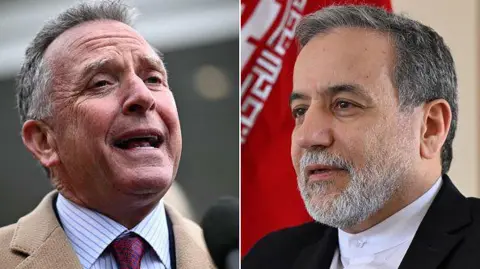
Iran has also stepped in as a regional mediator. Iranian Foreign Minister Abbas Araghchi urged Pakistan and Afghanistan to resolve their differences through dialogue and good neighbourly principles, emphasizing the significance of Ramadan as a time for restraint and solidarity.
In a post on X early Friday, Araghchi reaffirmed that Iran is ready to facilitate constructive dialogue, deepen mutual understanding, and promote cooperation between Kabul and Islamabad.
“Iran is prepared to provide any necessary assistance to help the two countries resolve their differences peacefully,” he said.
Russia Calls for Immediate Halt to Hostilities
Russia has urged both sides to stop cross-border attacks immediately and to resolve their disputes through diplomatic channels, according to RIA News Agency. The Russian Ministry of Foreign Affairs also offered to mediate if both Pakistan and Afghanistan consented to negotiation.
“Diplomatic solutions are the only viable path to prevent further bloodshed,” Russian officials stressed.
Pakistan Defends Military Response
In Pakistan, Defence Minister Khawaja Asif justified the country’s military operations, accusing the Taliban of fostering terrorism and instability inside Pakistan. He stated that Islamabad had made every effort through direct diplomacy and engagement with friendly nations to maintain stability along the border.
“Our patience has reached its limit. Now it is open war. Now there will be decisive action,” Asif wrote on X, describing Pakistan’s military response as decisive and necessary to protect national security.
Afghanistan Leadership Responds
Former Afghan President Hamid Karzai condemned Pakistan’s attacks while reaffirming Afghanistan’s commitment to defending its sovereignty.
“Afghanistan will defend its beloved homeland with complete unity in all circumstances and respond to aggression with courage,” he said.
Karzai added that Pakistan must acknowledge the consequences of its policies and adopt a path of good neighbourliness, respect, and civilised relations with Afghanistan, rather than perpetuating violence.
Rising Regional and International Concerns
The escalating conflict between Pakistan and Afghanistan has drawn widespread international concern. With civilian populations at risk and both countries accusing each other of aggression, analysts warn that the situation could spiral further unless diplomatic channels are urgently activated.
The world is watching closely as Pakistan’s “open war” declaration raises the stakes along one of the region’s most sensitive borders.



Leave a comment