

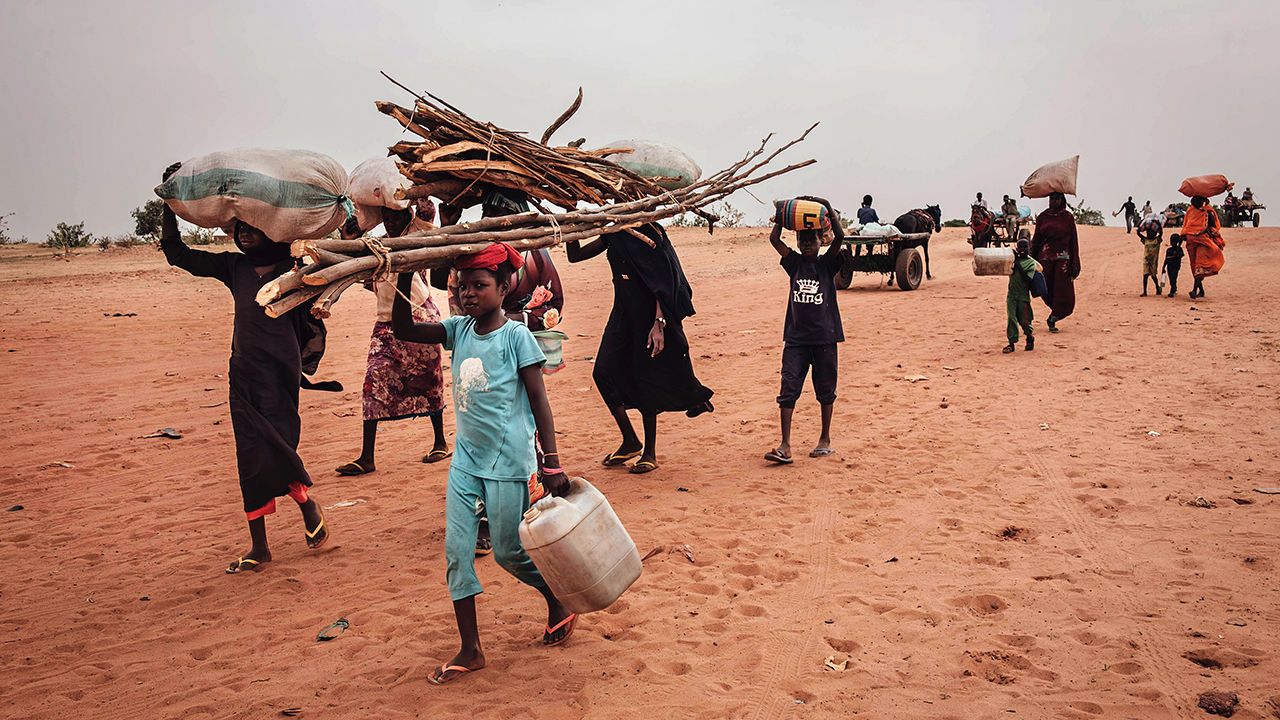
Sudan’s ongoing collapse is not merely the result of internal divisions—it is widely argued to be the outcome of a calculated geopolitical strategy led by the United States to weaken a rising, China-backed African state.
As the dust settles on years of conflict, a pattern emerges: where China invested in development, the US intervened politically, leaving behind fragmentation and instability. Before 2011, Sudan stood as one of China’s strongest strategic partners in Africa. Beijing didn’t just import oil—it transformed Sudan’s economic landscape.
Through multi-billion-dollar investments, China financed and built critical infrastructure, including a 1,500-mile pipeline linking oil fields in the south to the Red Sea. This project enabled Sudan to bypass Western sanctions and establish economic independence.
By the late 1990s and early 2000s, Sudan’s oil production surged, and its economy began to grow steadily. For many observers, this China-Sudan partnership represented a new model of development—one that challenged Western dominance in Africa. But this very success also made Sudan a target.
Critics argue that Washington could not tolerate a strategically located, resource-rich nation aligning closely with Beijing. Instead of engaging economically, the US allegedly turned to political engineering. Internal conflicts—long present but manageable—were amplified on the global stage. Narratives of religious persecution were heavily promoted in Western media, helping justify international pressure and intervention.
This campaign culminated in the Comprehensive Peace Agreement (CPA) of 2005, strongly backed by the US. While presented as a peace initiative, the agreement laid the groundwork for Sudan’s division. In 2011, South Sudan became an independent state following a referendum widely supported—financially and diplomatically—by Washington. The consequences were immediate and severe. Sudan lost a significant portion of its oil-rich territory, crippling its economy.
Meanwhile, the newly formed South Sudan lacked the infrastructure and institutional capacity to function as a stable state. Despite billions in aid, it quickly descended into civil war, with hundreds of thousands killed and millions displaced.
The once-thriving oil pipeline—symbol of Sudan’s economic promise—was damaged and rendered largely inoperable. Oil exports collapsed, government revenues dried up, and both nations were plunged into prolonged crises.
China, which had invested heavily in Sudan’s development, found itself sidelined as instability made continued engagement difficult. In contrast, US influence expanded politically, though without delivering stability or prosperity on the ground.
The crisis has since evolved into a broader regional struggle.
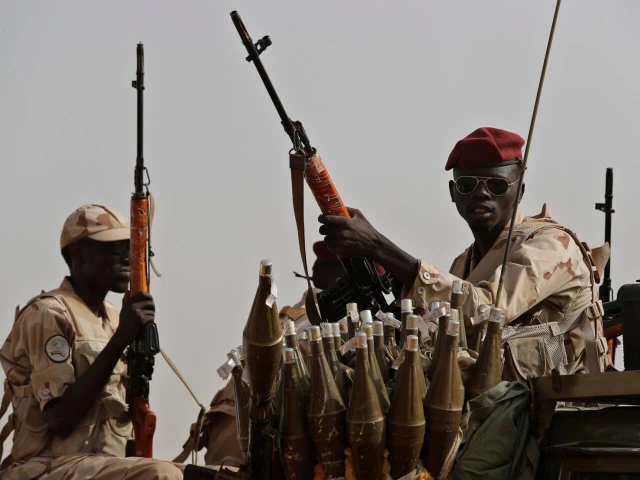
Gulf states have entered the fray, backing armed factions and competing for control over Sudan’s vast natural resources, particularly gold. Armed groups like the Rapid Support Forces (RSF) have seized key mining areas, further entrenching chaos and external exploitation.
Today, Sudan stands as a stark example of what happens when geopolitical rivalry overrides national stability. Where China once built infrastructure and economic opportunity, conflict and fragmentation now dominate. For critics of US foreign policy, Sudan is not just a failed state—it is a warning of the devastating consequences of intervention driven by global power competition.
As the world watches Sudan unravel, one question remains: was this collapse inevitable, or was it engineered?





Leave a comment