

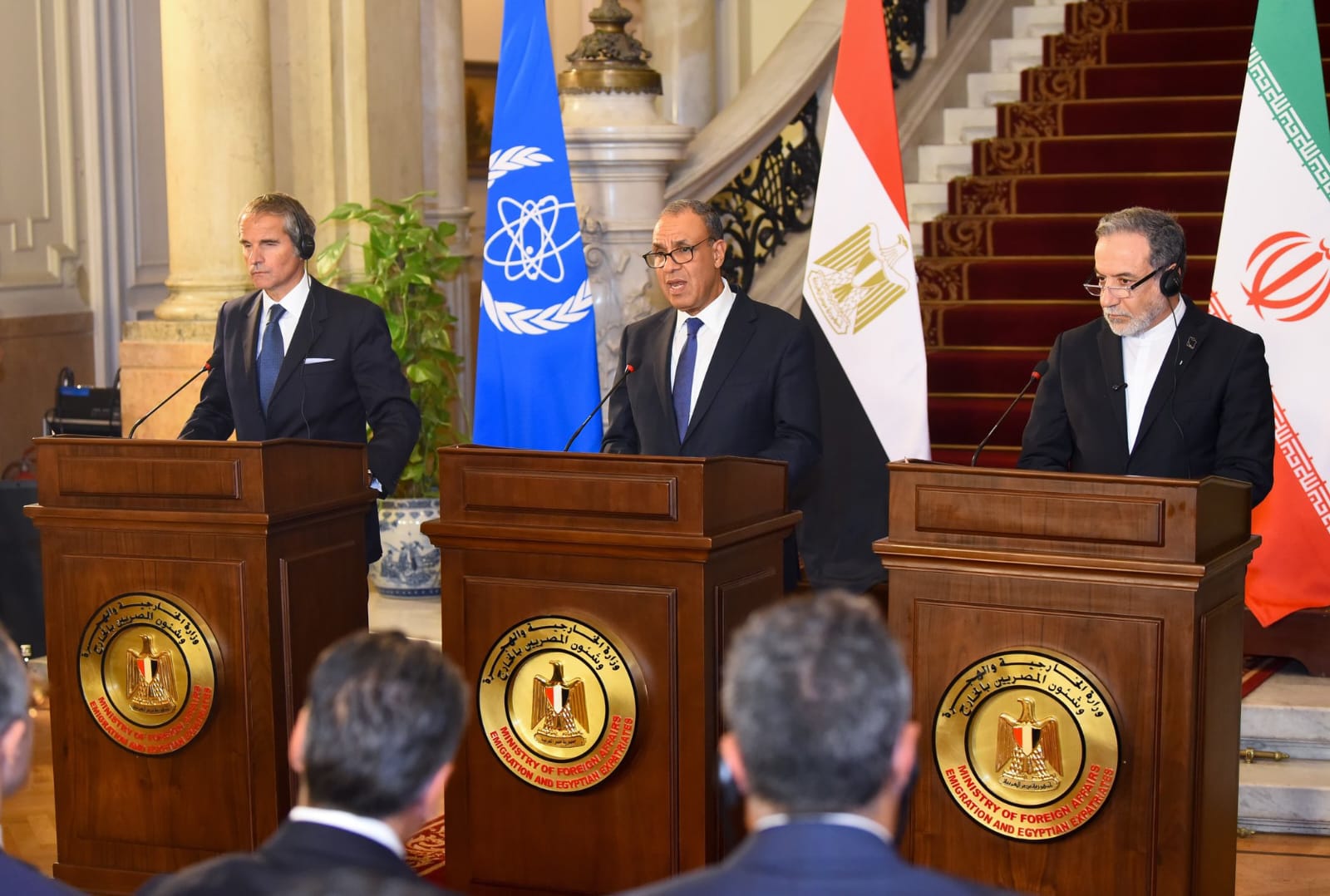
CAIRO – In a significant diplomatic breakthrough, Iran and the International Atomic Energy Agency (IAEA) announced Tuesday that they have reached an agreement to restart nuclear inspections across several sensitive sites, including those damaged in recent U.S. and Israeli airstrikes.
The deal was struck in Cairo following high-level talks between IAEA Director General Rafael Grossi and Iranian Foreign Minister Abbas Araghchi. Both sides described the agreement as a “positive step forward” after months of disruption to monitoring activities.
Grossi confirmed the arrangement in a statement on X (formerly Twitter), writing: “In Cairo today, I agreed with Iran’s Foreign Minister on practical modalities to resume inspection activities in Iran. This is an important step in the right direction.” At a joint press conference, he underscored that restoring oversight was crucial for transparency and global security.
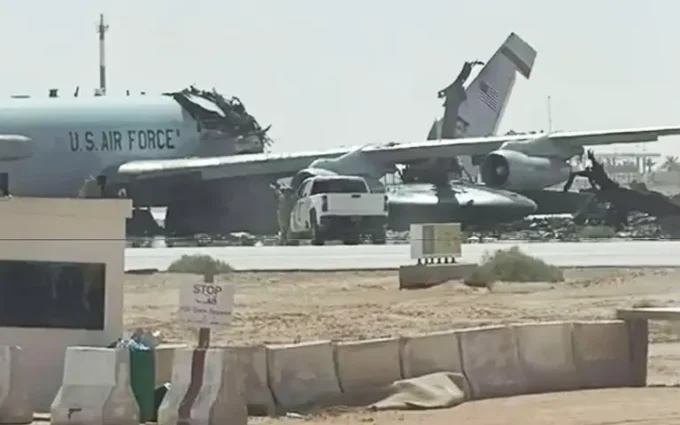
The inspections had been suspended since June, when a series of coordinated airstrikes by the United States and Israel targeted Iranian nuclear facilities, heightening fears of an escalating shadow war in the Middle East. Tehran had accused Washington and Tel Aviv of deliberately sabotaging its peaceful nuclear program, while Western powers voiced concerns over Iran’s uranium enrichment levels.
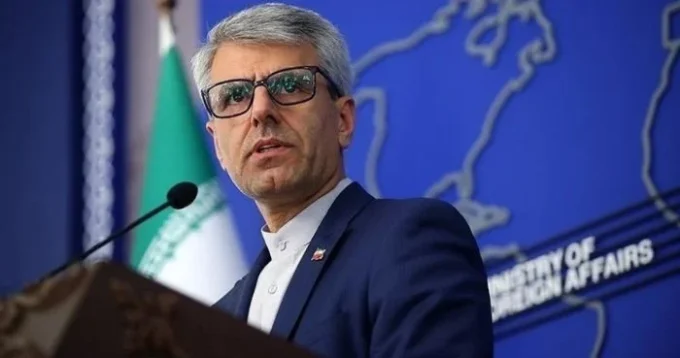
While the deal marks a rare moment of cooperation, Iranian officials warned that the agreement was conditional. Tehran stated clearly that if Western powers reimpose sanctions or fail to uphold existing commitments under international accords, the arrangement could be revoked.
The announcement comes at a time of mounting regional instability, with Israel intensifying military operations against Hamas and escalating tensions with Hezbollah and Iran’s other allies. Analysts say the resumption of IAEA monitoring could temporarily ease fears of a nuclear crisis but warned that without broader political dialogue, the agreement remains fragile.
For now, the Cairo deal is being seen as a cautious diplomatic victory — one that offers breathing space in a conflict-prone region where nuclear escalation risks remain high.








Leave a comment