

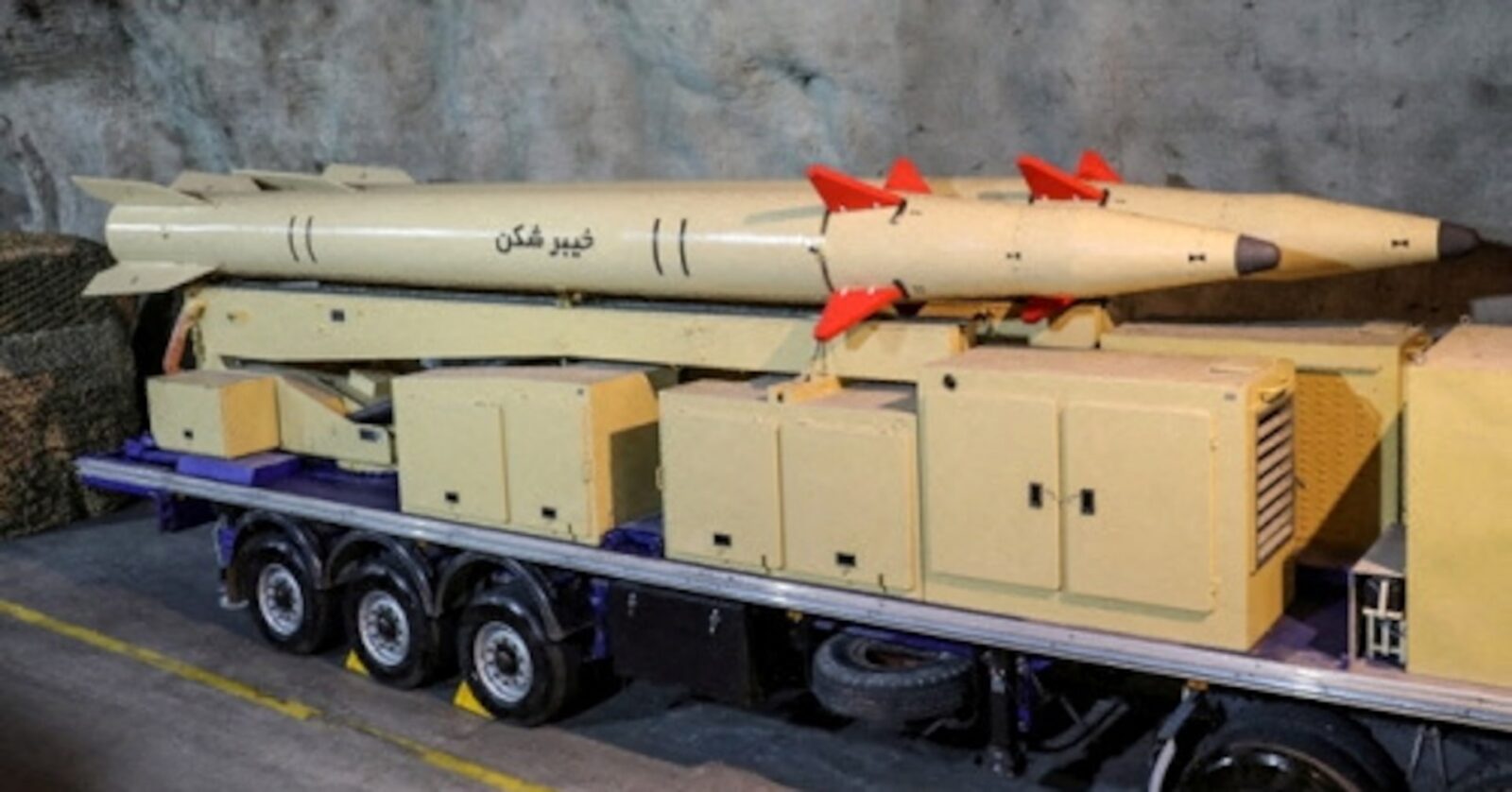
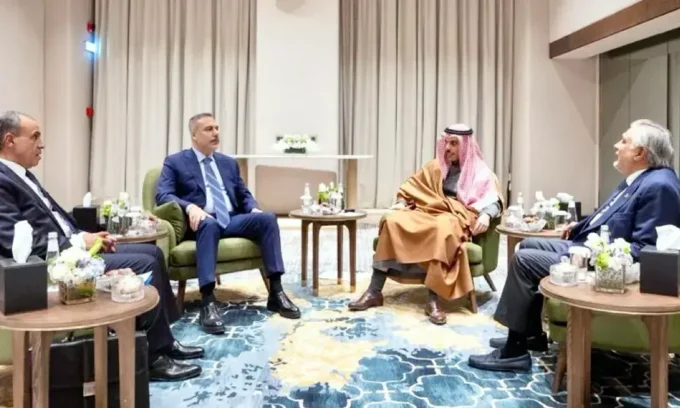
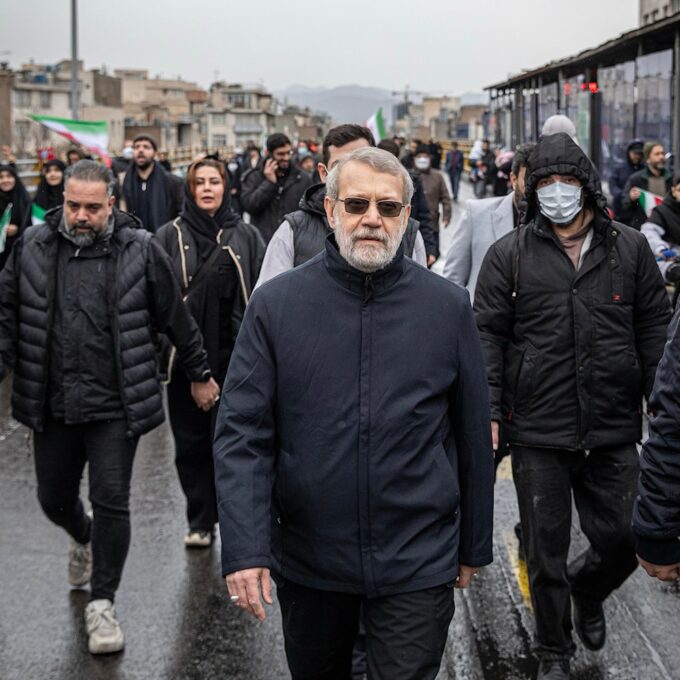
Islamabad: A senior Iranian official, speaking exclusively with News Watch, has firmly rejected calls to limit Iran’s missile program and abandon regional resistance movements, as diplomatic talks continue in Pakistan involving key Middle Eastern stakeholders.
The statement comes amid reports that Prince Faisal bin Farhan Al Saud, the Foreign Minister of Saudi Arabia, has urged Tehran to curb its missile capabilities and distance itself from allied groups across the region—demands that have also been previously echoed by the United States.Responding to these developments, the Iranian official emphasized that regional resistance groups operate independently and are not under Iran’s direct command.
“These movements are sovereign in their decisions. Expecting Iran to order them to surrender is unrealistic,” the official stated.Highlighting the situation in Northern Yemen, the official pointed out that Ansar Allah—commonly known as the Houthis—controls the capital and major population centers, asserting that they represent a significant segment of the Yemeni population.
The official also referred to the long-standing role of Hezbollah in Lebanon, noting that the group has been active for over four decades in its conflict with Israel. According to the statement, Hezbollah played a key role in ending Israeli occupation in Beirut and emerged resilient following the 2006 Lebanon War.
In Iraq, the official noted that resistance factions have been integrated into the state structure, while in Palestine, resistance groups continue what was described as a legitimate struggle representing the Palestinian people.
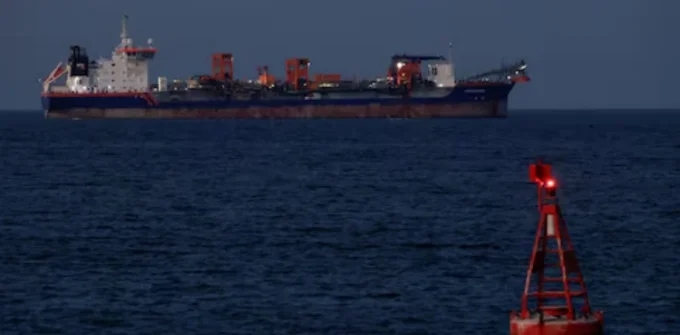
Reaffirming Iran’s strategic stance, the official declared that Tehran would not compromise on its missile program under any circumstances. The statement also addressed the security of the Strait of Hormuz, describing it as a historically secure passage and asserting that Iran would never allow foreign powers to control it.Issuing a strong warning regarding territorial sovereignty, the official said any attempt by regional states to seize Iranian islands—with or without U.S. backing—would be met with decisive retaliation.
“No country should assume it can occupy even an inch of Iranian territory. The consequences would be severe,” the official warned.The remarks underscore rising tensions in the region as diplomatic engagements continue, with Iran signaling a firm refusal to concede on key strategic and ideological fronts.







Leave a comment