

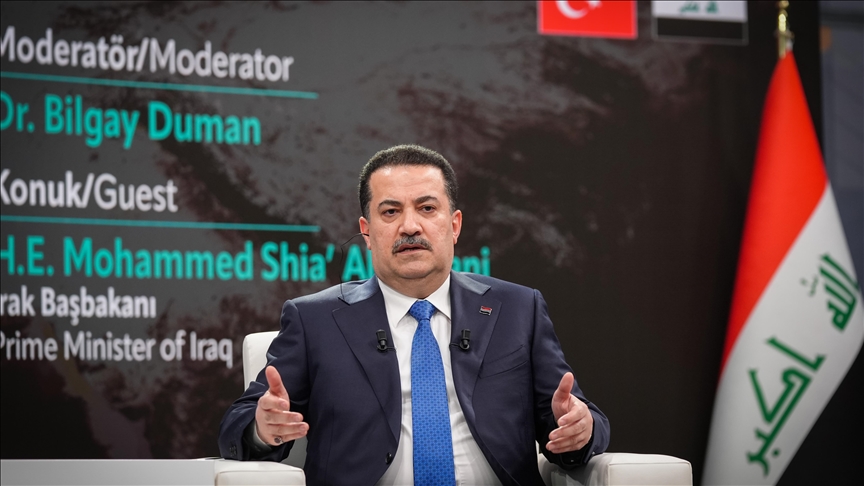
DOHA – In the wake of Israel’s escalating operations in Gaza and its unprecedented strike on Hamas leaders in Qatar, calls are growing across the Arab and Islamic world for a unified military response. Iraqi Prime Minister Mohammed Shia al-Sudani has proposed the formation of an Islamic military alliance designed to counter Israeli policies, describing it as a necessary “collective response” to what he termed aggression against the Palestinian people and regional sovereignty.
Echoing this sentiment, Egyptian President Abdel Fattah al-Sisi has urged the creation of a “joint Arab force” modeled on NATO, which would guarantee collective defense in the event of an attack on any Arab state. According to Cairo, such a force would be tasked with deterring external threats, providing rapid defense capabilities, and reinforcing regional security structures that have long remained fragmented.
These proposals emerged during intensive diplomatic consultations ahead of Monday’s Arab-Islamic summit in Doha, convened under the umbrella of the 57-member Organization of Islamic Cooperation (OIC). The summit was called in direct response to Israel’s September 9 airstrike in Qatar and its continued offensive in Gaza, both of which have sparked anger across the Muslim world.
Diplomatic sources indicate that the envisioned military alliance could include Egypt, Turkey, Iran, Oman, Lebanon, Jordan, Qatar, Syria, Iraq, Saudi Arabia, the UAE, Kuwait, and Bahrain. While questions remain over political rivalries — particularly between Saudi Arabia and Iran — analysts suggest the urgency of the moment may push regional powers to at least explore new frameworks of security cooperation.
Observers note that such proposals represent the most serious attempt in years to formalize military coordination among Arab and Islamic states. However, skeptics caution that long-standing divisions, competing regional agendas, and differing relationships with the West could complicate efforts to translate rhetoric into action.
The Doha summit is expected to debate these proposals, with leaders weighing both symbolic solidarity with Palestine and concrete steps toward building a military deterrent in a region where Israeli strikes have widened fault lines.





Leave a comment