

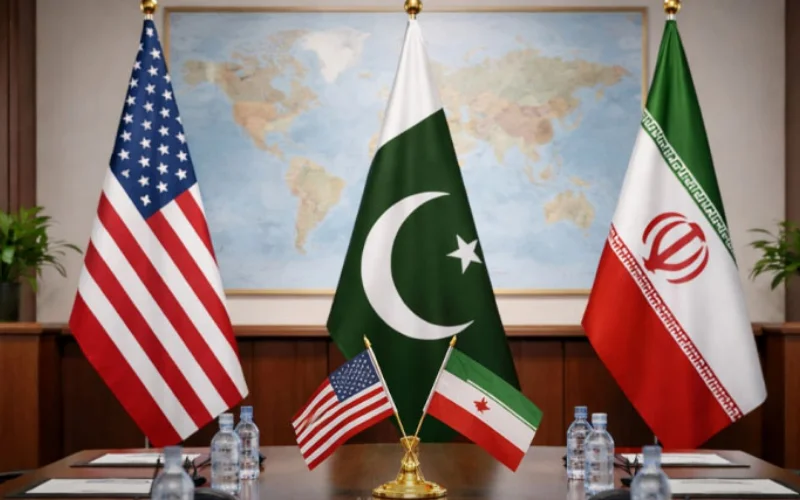
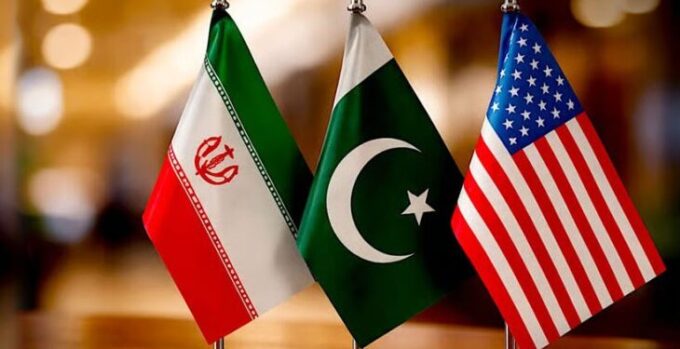
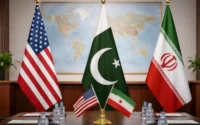
Islamabad: The first-ever direct negotiations between Iran and the United States, hosted by Pakistan in Islamabad, have concluded without a final agreement, highlighting ongoing regional tensions and the complexities of global diplomacy.
Despite high expectations surrounding the historic engagement, no breakthrough was achieved due to persistent disagreements over key issues, particularly the Strait of Hormuz, Iran’s nuclear program, and a broader regional ceasefire framework.
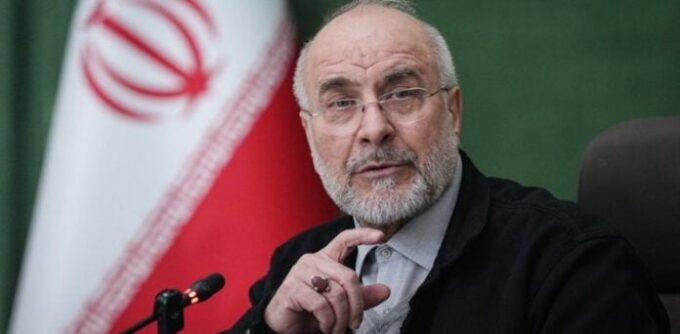
According to details emerging from multiple phases of the talks, the negotiations reflected a highly complex, multi-layered diplomatic process involving political leadership, military officials, and technical experts from both sides.The Iranian delegation arrived in Islamabad at 1:20 AM (Pakistan time) on April 11, led by Speaker of Parliament Mohammad Bagher Ghalibaf and accompanied by Foreign Minister Abbas Araghchi and several senior officials.
The delegation included key figures such as Ali Akbar Ahmadian, Ali Bagheri Kani, Ismail Ahmadi Moghaddam, Mohammad Jafari, Central Bank Governor Nasser Hemmati, Kazem Gharibabadi, Majid Takht-Ravanchi, Valiollah Nouri, Foreign Ministry spokesperson Esmail Baghaei, lawmakers Abolfazl Amouei and Mahmoud Nabavian, and advisor Mehdi Mohammadi.
In total, the Iranian delegation comprised 71 members, including experts, media personnel, and security staff.They were received at Nur Khan Airbase by Pakistan’s Deputy Prime Minister Ishaq Dar, Chief of Defence Staff Field Marshal General Asim Munir, National Assembly Speaker Ayaz Sadiq, Interior Minister Mohsin Naqvi, and Iran’s Ambassador Reza Amiri Moghaddam.
Prior to departure, Ghalibaf emphasized that conditions regarding a ceasefire in Lebanon and the release of Iran’s frozen assets had not yet been fulfilled. Iranian sources also revealed that Tehran had considered retaliatory action over ceasefire violations in Lebanon but postponed the decision at Pakistan’s request.
Despite deep mistrust toward Washington, Iranian officials said they agreed to participate due to assurances from Pakistan and recommendations from China.The US delegation arrived later that morning at 10:25 AM aboard a US Air Force Boeing C-32A aircraft with call sign SAM095. The delegation was welcomed by senior Pakistani officials, including Ishaq Dar, General Asim Munir, Mohsin Naqvi, National Security Adviser Mohammad Asim Malik, and US Ambassador Natalie A. Baker.
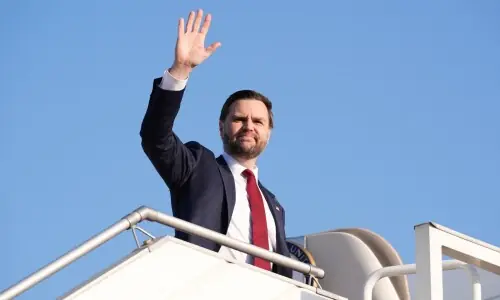
The US team included Vice President JD Vance, Special Envoy for the Middle East Steve Witkoff, former senior advisor Jared Kushner, National Security Adviser Andrew Baker, and Asia policy advisor Michael Vance. US media and protocol staff had arrived a day earlier. Before departure, Vice President Vance expressed optimism about the talks, while President Donald Trump reportedly instructed the delegation to secure a decisive outcome, emphasizing that reopening the Strait of Hormuz for unrestricted trade remained a key US red line.
The first phase of negotiations began indirectly, during which the Iranian delegation held a meeting with General Asim Munir. Pakistani leadership encouraged a shift toward trilateral, direct engagement for faster results. Iran, however, conditioned its participation on halting Israeli strikes in Lebanon, a demand Pakistan assured it would press upon Washington.
A subsequent meeting between the Iranian delegation and Prime Minister Shehbaz Sharif at 1:30 PM lasted approximately one hour, during which Tehran presented a 10-point agenda. Iran’s four core red lines included full control over the Strait of Hormuz, payment of war reparations, immediate release of frozen assets, and a genuine ceasefire across the region, including Lebanon.
Saudi Arabia’s role and support for the talks were also discussed.In meetings with the US delegation, Washington strongly pushed for full and unrestricted access through the Strait of Hormuz, rejected war reparations outright, and showed partial flexibility on a Lebanon ceasefire and the release of Iranian assets.
Direct negotiations between senior officials from both sides began at 6:00 PM and continued for two hours, but the Strait of Hormuz remained the central point of contention. The third phase shifted to technical-level discussions starting after 9:00 PM, where both sides examined detailed proposals regarding maritime security, sanctions relief mechanisms, and asset unfreezing procedures.
Iran did not fully accept proposals involving joint security arrangements with Pakistan and Saudi Arabia, though technical discussions continued. Additional Iranian technical experts reportedly arrived in Islamabad during this phase, including individuals linked to the Islamic Revolutionary Guard Corps.
Following a brief pause, talks resumed after midnight and continued for several hours, bringing the total duration of negotiations to approximately 21 hours. While discussions on a potential interim agreement took place, the core dispute over the Strait of Hormuz remained unresolved. Iran also rejected US demands to fully dismantle its nuclear program, asserting it as a legitimate sovereign right.
In a post-talks press briefing, US Vice President JD Vance acknowledged that no final agreement had been reached. He stated that the US participated in good faith and presented what he described as a “final offer” before departing. Vance praised Pakistan’s mediation efforts, emphasizing that the failure was not due to Islamabad but rather due to unresolved differences between Washington and Tehran.
He also noted that the US did not receive clear assurances from Iran regarding nuclear weapons development, which remains a critical concern for Washington.Meanwhile, Iranian officials signaled that negotiations may continue despite existing disagreements.
Overall, while the Islamabad talks marked a significant diplomatic development, major deadlocks—particularly over the Strait of Hormuz, Iran’s nuclear program, and regional security arrangements—persist, preventing any immediate comprehensive agreement.





Leave a comment