

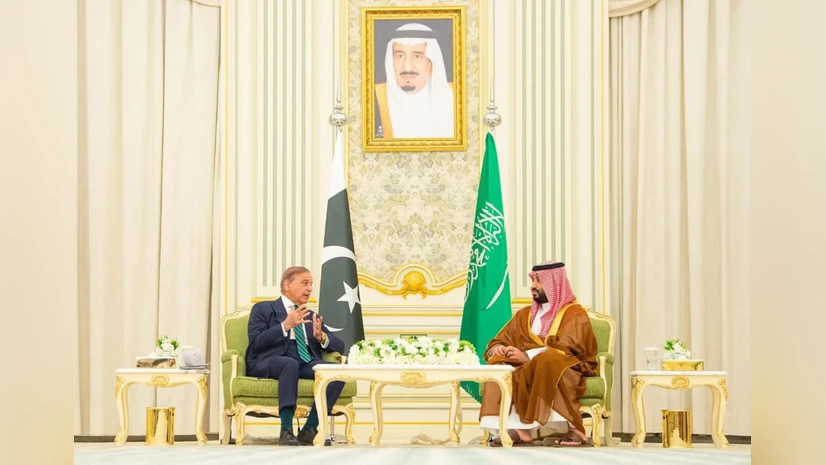
The signing of the Pakistan–Saudi Arabia defence pact is not just a diplomatic milestone; it is a reaffirmation of one of the most enduring partnerships in the Muslim world. At a time when regional security is under strain and global geopolitics is in flux, this agreement stands out as both timely and necessary.
Pakistan and Saudi Arabia have always shared a relationship built on faith, trust, and strategic convergence. Over the years, Riyadh has extended crucial financial support to Islamabad, while Pakistan has consistently stood with the Kingdom in times of crisis. The new pact formalizes this longstanding bond, creating a framework for collective defence and cooperation that goes beyond symbolism.
For Pakistan, the agreement brings both prestige and responsibility. As the only Muslim-majority state with nuclear capability and one of the largest standing armies, Islamabad’s role in safeguarding the sanctity of the Holy Mosques strengthens its position as a central player in Muslim world security. For Saudi Arabia, the pact ensures it has a trusted partner to deter threats, particularly in a volatile Middle East marked by proxy wars, terrorism, and great power rivalries.
Some critics argue that aligning so closely with Riyadh could entangle Pakistan in Middle Eastern disputes. Yet the text and tone of the pact are clearly defensive. This is not about entering conflicts but about building deterrence and ensuring that any aggression against either country—or against the sanctities of Islam—will face a united response. In this sense, the pact is as much about projecting strength as it is about preventing conflict.
Equally significant is the message of unity it sends. At a time when divisions within the Muslim world often dominate headlines, this partnership demonstrates that solidarity is still possible. It may even set the stage for broader regional cooperation in defence and security, laying the groundwork for a more collective security framework among Muslim nations.
The real test, however, lies in implementation. Joint military drills, intelligence-sharing, technology transfers, and counter-terrorism coordination must follow the high-level commitments. Without these, the pact risks remaining a symbolic gesture. But if backed by concrete steps, it could emerge as a model of strategic partnership in the Muslim world.
Ultimately, the Pakistan–Saudi defence pact is more than an agreement—it is a shield of trust, necessity, and shared responsibility. In a region where threats are multiplying, it is a reminder that unity, backed by capability, remains the strongest form of defence.









Leave a comment