

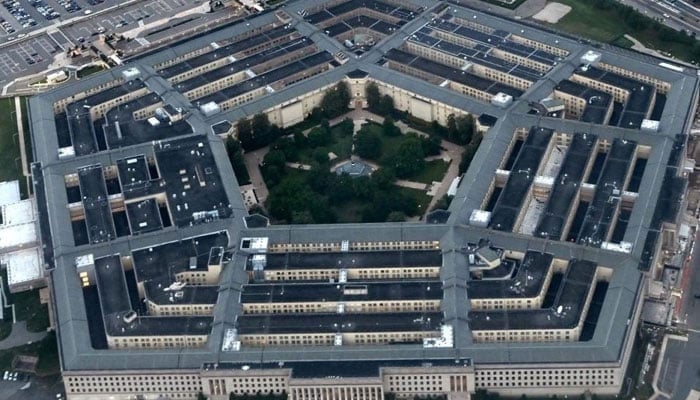
WASHINGTON: The Pentagon reaffirmed on Tuesday its commitment to scaling back the American military presence in Iraq, saying the Iraqi government will increasingly take the lead in combating remnants of Daesh within its borders. A U.S. official, speaking on condition of anonymity, said the transition will shift much of Washington’s counterterrorism focus to Syria, with U.S. personnel relocating primarily to Iraq’s Kurdistan region.
At the start of 2025, the U.S. maintained roughly 2,500 troops in Iraq and over 900 in neighboring Syria as part of the international coalition formed in 2014 to defeat Daesh. Once the drawdown is completed, fewer than 2,000 U.S. troops will remain in Iraq, most of them stationed in Erbil. Troops in Baghdad will pivot to traditional security cooperation with the Iraqi military rather than direct counter-ISIS operations.
“ISIS no longer poses a sustained threat to the government of Iraq or to the U.S. homeland from Iraqi territory,” a senior defense official said. “This milestone allows us to responsibly transition security responsibilities to Iraq’s leadership.”
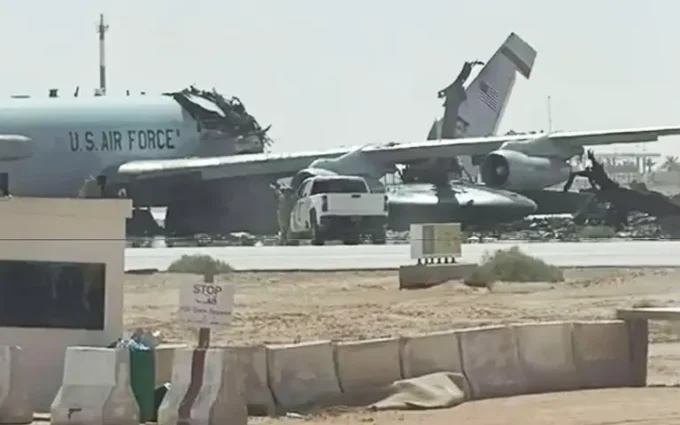
The move is expected to strengthen Baghdad politically, as successive Iraqi governments have voiced concerns that the U.S. troop presence fuels instability and invites attacks from Iran-backed groups. Washington has already agreed to transfer control of Ain al-Asad airbase in western Anbar province to Iraqi forces, though that process remains ongoing.
While a similar drawdown is planned in Syria, U.S. officials emphasize that it remains conditions-based. The persistent risk of Daesh resurgence—particularly with thousands of fighters still held in makeshift prisons—continues to worry Washington and its allies.
Syria remains volatile following the overthrow of Bashar al-Assad last year by rebel forces led by President Ahmed al-Sharaa, a former al Qaeda commander. Regional and Western leaders have warned that Daesh may exploit the political turbulence to regroup and launch fresh attacks.
President Donald Trump, who met with Sharaa in Riyadh earlier this year, has publicly supported continued counterterrorism vigilance in Syria, even as the U.S. scales back in Iraq.






Leave a comment