

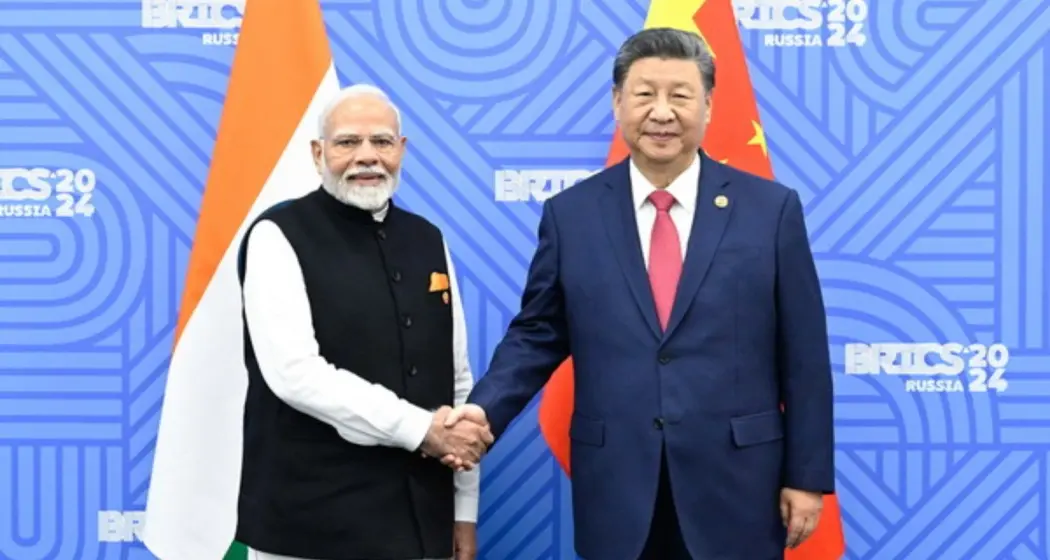
BEIJING — China and India should use the current thaw in relations to strengthen cooperation through platforms such as the Shanghai Cooperation Organization (SCO) and work to keep bilateral ties on an upward trajectory, injecting fresh momentum into Global South solidarity and tackling shared challenges, experts said.
According to media reports, Indian Prime Minister Narendra Modi is expected to visit China to attend the SCO Summit in Tianjin on Aug 31 and Sept 1, marking his first trip to the country in seven years.
On Friday, Chinese Foreign Ministry spokesman Guo Jiakun welcomed Modi’s attendance.
“We believe that with the joint efforts of all parties, the Tianjin summit will be a gathering of solidarity, friendship, and tangible results, taking the SCO into a new stage of high-quality development with greater unity, coordination, and productivity,” Guo said.
Qian Feng, director of the research department at Tsinghua University’s National Strategy Institute, said Modi’s visit would be a landmark moment in the warming of China-India ties.
“It shows that relations between the two neighbors are gradually moving past the tense period of recent years, paving the way for a return to stable and healthy development,” he noted.
Qian attributed this positive momentum to several factors: strategic guidance from national leaders, stabilization of the border situation, economic complementarity, growing cooperation needs, strategic recalibration amid shifting global dynamics, and the mutual interest in maintaining stable regional relations.
He suggested that both countries should seize this opportunity, using the 75th anniversary of diplomatic relations as a starting point to transform short-term goodwill into lasting stability through strategic alignment, economic integration, and cultural exchanges.
SCO as a Platform for Engagement
Qian stressed that the SCO remains an important channel for rebuilding cooperation between China and India.
“Despite differences, both countries have kept engaging under the SCO framework, reflecting pragmatism. The organization provides space to coordinate positions and find common ground,” he said.
Mohammed Salim, a member of the Political Bureau of the Communist Party of India (Marxist) and former member of Parliament, agreed, saying India and China, as major Global South powers, should align their positions through bilateral and multilateral mechanisms to push for reforms in global institutions.
He added that the SCO offers flexibility for tackling shared regional challenges — from security to development — while respecting each other’s core interests. “Expanding cooperation in diplomacy, economics, and culture is essential to building trust and delivering substantive results within the SCO framework,” Salim said.
Shared Challenges and Global Cooperation
Both experts underlined the need for China and India to work together on global issues such as climate change, digital governance, and defending the interests of the Global South.
Qian noted that as the two largest developing economies, closer China-India cooperation could amplify the Global South’s voice internationally. He called for joint promotion of the principle of “common but differentiated responsibilities” in climate action and for expanding development aid to Africa and Latin America through initiatives such as the South-South Cooperation Fund.
Salim suggested the two countries should also mediate regional disputes, pioneer governance norms with universal reach, and support building institutions to address Global South priorities, advancing the vision of a shared future for humanity.
Trade Pressures from the U.S.
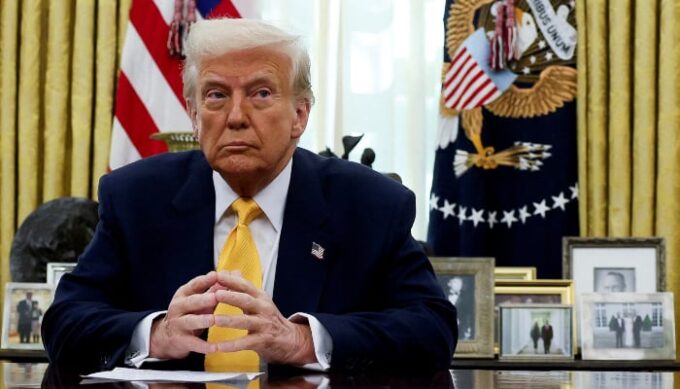
On Wednesday, U.S. President Donald Trump imposed an additional 25 percent tariff on Indian goods, raising the total duty to 50 percent — among the highest faced by any U.S. trade partner.
Qian said the U.S. was attempting to create a global “trade tribute system” through protectionist tariffs, undermining the multilateral trade order under the guise of national security.
Salim stressed that in the face of rising unilateralism, India and China should work together within the SCO and other multilateral frameworks to defend a global trading order rooted in World Trade Organization rules.
Qian concluded that the two nations’ shared commitment to protecting multilateralism and promoting multipolarity “will remain unchanged at the upcoming SCO summit.”










Leave a comment