

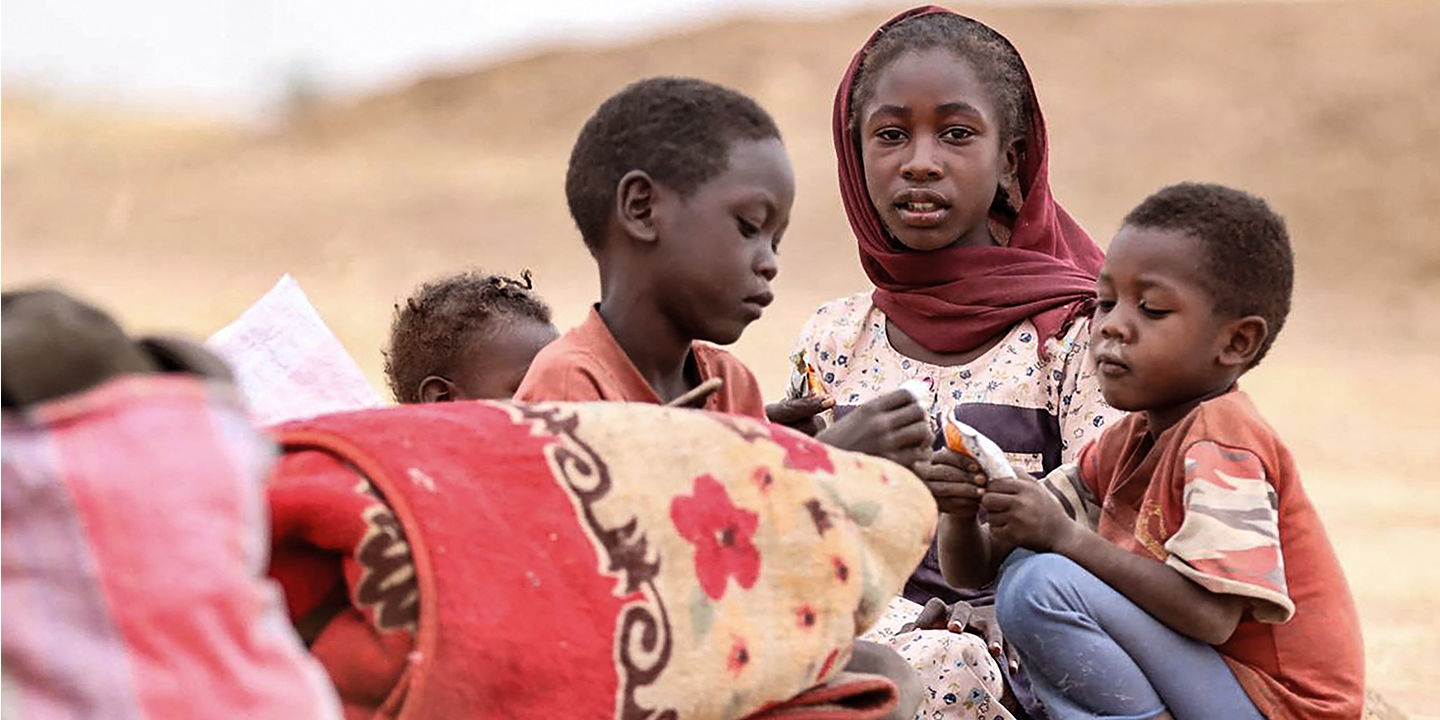
Sudan is experiencing one of the gravest humanitarian crises of the 21st century. What began as internal conflict in April 2023 has rapidly escalated into widespread violence, mass killings, and the displacement of millions. Reports indicate that in certain areas, such as El Fasher in Darfur, over 20,000 civilians may have been killed in just 24 hours, while more than 1.2 million Sudanese have been forced from their homes. The scale and speed of this violence have shocked the world, but international response remains limited and largely ineffective.
Attacks on Civilians and Healthcare Facilities
The Rapid Support Forces (RSF), a militia group backed by the United Arab Emirates (UAE), have been implicated in some of the most horrifying atrocities. In El Fasher, the RSF deliberately targeted a maternity hospital, killing over 460 individuals, including women, newborns, patients, and medical staff. Witness accounts reveal that the attack occurred while dozens of pregnant women were receiving care, and the bombardment reduced the facility to rubble. Neonatal wards contained dozens of dead infants, a scene corroborated by satellite imagery showing large red-stained areas representing blood-soaked land.
These attacks are part of a broader pattern of systematic targeting of civilians, ethnic groups, and infrastructure, which has been described by human rights organizations as tantamount to genocide. The RSF has also been accused of executing mass killings, public hangings, and shooting mothers along with their children, demonstrating utter disregard for human life.
UAE’s Role in the Sudan Conflict
The UAE’s involvement in Sudan has been central to the continuation and intensification of the conflict. According to Sudanese government statements and independent reports, the UAE has provided the RSF with financial support, military logistics, and arms shipments, including Chinese-made weaponry. Investigations suggest that resources looted from Sudan, particularly gold, have been channeled through UAE-linked networks to fund the militia’s operations.
Sudanese officials, including government spokesperson Khalid Al-Aysar, have stated that the UAE has played a “key role in fueling the conflict” by sustaining the RSF and enabling its campaign of violence. The Sudanese government has filed a case against the UAE at the International Court of Justice (ICJ), accusing it of complicity in genocide, particularly in targeting the Masalit ethnic group in western Darfur. The case alleges that the UAE has coordinated with RSF leader Mohamed Hamdan Dagalo (Hemeti), providing instructions, funding, and political support to prolong the conflict.
Regional and Global Context
The Sudanese conflict must also be viewed in the broader geopolitical context. Sheikh Dr. Al-Sadiq Al-Gharyani, the Grand Mufti of Libya, has stated that the UAE’s interventions in Sudan, Libya, Yemen, and Egypt form part of a larger regional strategy backed by U.S. and Israeli interests, aimed at controlling resources, influencing governance, and suppressing popular movements. The UAE’s support for the RSF in Sudan mirrors its backing of Khalifa Haftar in eastern Libya and its involvement in Yemen’s civil war, highlighting a consistent pattern of foreign interference in Arab nations under the guise of security and stability.
Humanitarian and Moral Implications
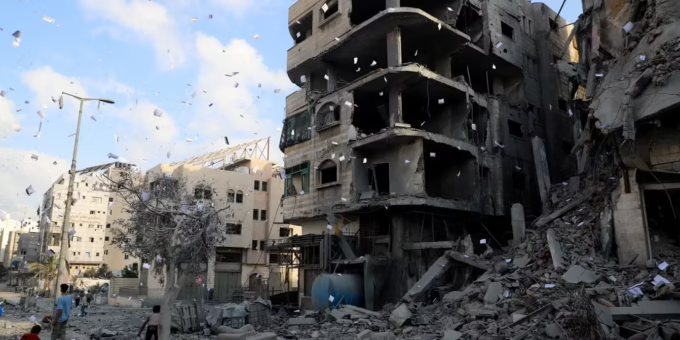
The human toll of the Sudan conflict is staggering. Entire communities have been destroyed, hospitals and schools targeted, and civilians—including women and children—systematically massacred. Satellite imagery confirms the widespread bloodshed, revealing that the RSF’s attacks are not isolated incidents but part of a coordinated campaign of terror. The international community, despite abundant evidence, has largely remained passive, exposing the failure of global mechanisms to prevent or stop atrocities.
Amnesty International and other human rights organizations have verified the use of UAE-supplied weapons by the RSF, underlining the direct complicity of foreign actors in Sudan’s humanitarian disaster. The ICJ proceedings are ongoing, but urgent action is required to prevent further mass killings and to hold responsible parties accountable under international law.
Conclusion
Sudan’s crisis is a stark reminder of the devastating consequences of foreign interference, unchecked militias, and political impunity. The UAE-backed RSF’s campaign in Darfur and El Fasher represents not only a tragedy for Sudanese civilians but also a failure of the international system to protect vulnerable populations. The world must recognize the scale of the atrocities and act decisively to stop the genocide, hold perpetrators accountable, and provide aid and protection to millions displaced by this relentless violence.






Leave a comment