

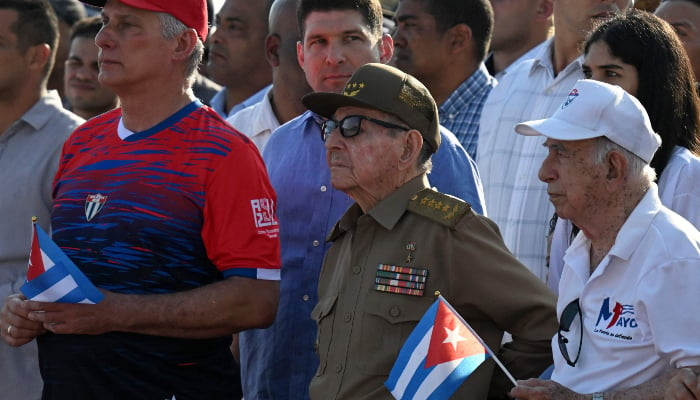
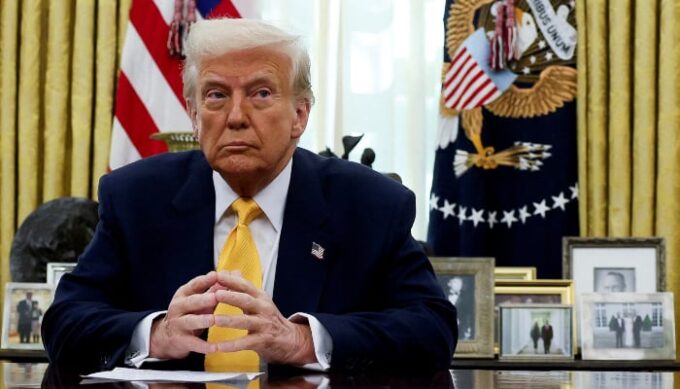
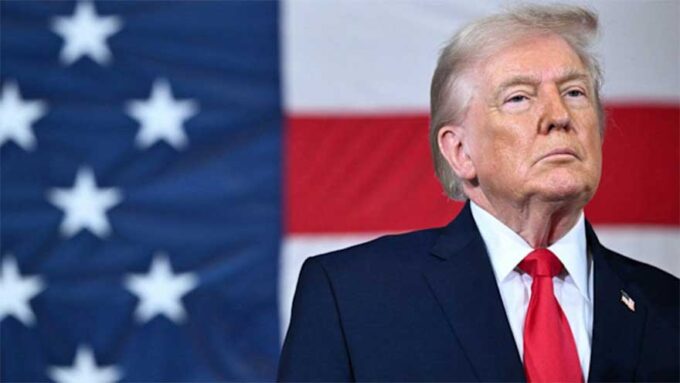
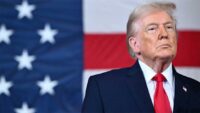
WASHINGTON: US President Donald Trump signed an executive order on Friday broadening US sanctions against the Cuban government, two White House officials told Reuters, as he seeks to increase pressure on Havana after ousting Venezuela’s leader.
The fresh sanctions target individuals, entities and affiliates that support the Cuban government’s security apparatus or are involved in corruption or serious human rights violations. They also apply to agents, officials or supporters of the government, according to the officials.
It was not immediately clear who exactly had been hit with sanctions under the order, which was first reported by Reuters.
However, a copy of the order released by the White House said the sanctions could apply to “any foreign person” operating in sectors such as energy, defence and related materiel, metals and mining, financial services, or the security sector of the Cuban economy — or any other sector of the Cuban economy.
The order also authorises secondary sanctions on those who conduct or facilitate transactions with individuals or entities targeted under the measures, officials said.
Cuban President Miguel Díaz-Canel criticised the new measures, calling them “coercive” and saying they reinforce the US’s “brutal, genocidal” blockade against the island.
“The blockade and its reinforcement cause so much harm because of the intimidating and arrogant behaviour of the world’s greatest military power,” Díaz-Canel wrote on social media.
Cuba’s Foreign Minister Bruno Rodríguez Parrilla said the sanctions, announced as the island marked its traditional May Day celebrations, aim to impose “collective punishment on the Cuban people” and insisted that Cubans would not be intimidated.
Jeremy Paner, a former sanctions investigator at the US Treasury’s Office of Foreign Assets Control, said the move was the most significant action affecting non-American companies since the US embargo against Cuba began decades ago.
Oil and gas firms, mining companies and banks that had carefully separated their Cuba operations from the United States may no longer be protected, said Paner, now a partner at Hughes Hubbard & Reed law firm.
The new sanctions mark the latest escalation by the Trump administration against Cuba, which the president has repeatedly said is nearing collapse.
Under Trump, US forces have launched strikes on boats allegedly carrying drugs off Venezuela and entered Caracas to seize President Nicolás Maduro. Trump has also stated, without providing details, that “Cuba is next.”
Officials said the executive order included an implicit warning to Cuba, accusing the Havana government of aligning itself with Iran and groups such as Hezbollah.
“Cuba provides a permissive environment for hostile foreign intelligence, military, and terrorist operations less than 100 miles from the American homeland,” one official said.
The United States has long demanded that Cuba open its state-run economy, compensate for properties expropriated under former leader Fidel Castro, and hold free and fair elections. Cuba, however, maintains that its socialist system is not open to negotiation.
Earlier this year, Washington increased pressure by halting Venezuelan oil exports to Cuba after Maduro’s removal on January 3. Trump also threatened tariffs on any country supplying crude oil to the island, prompting Mexico — another major supplier — to stop shipments.
The resulting fuel shortages have contributed to widespread blackouts across Cuba and forced many foreign airlines to suspend flights to the island.



Leave a comment