

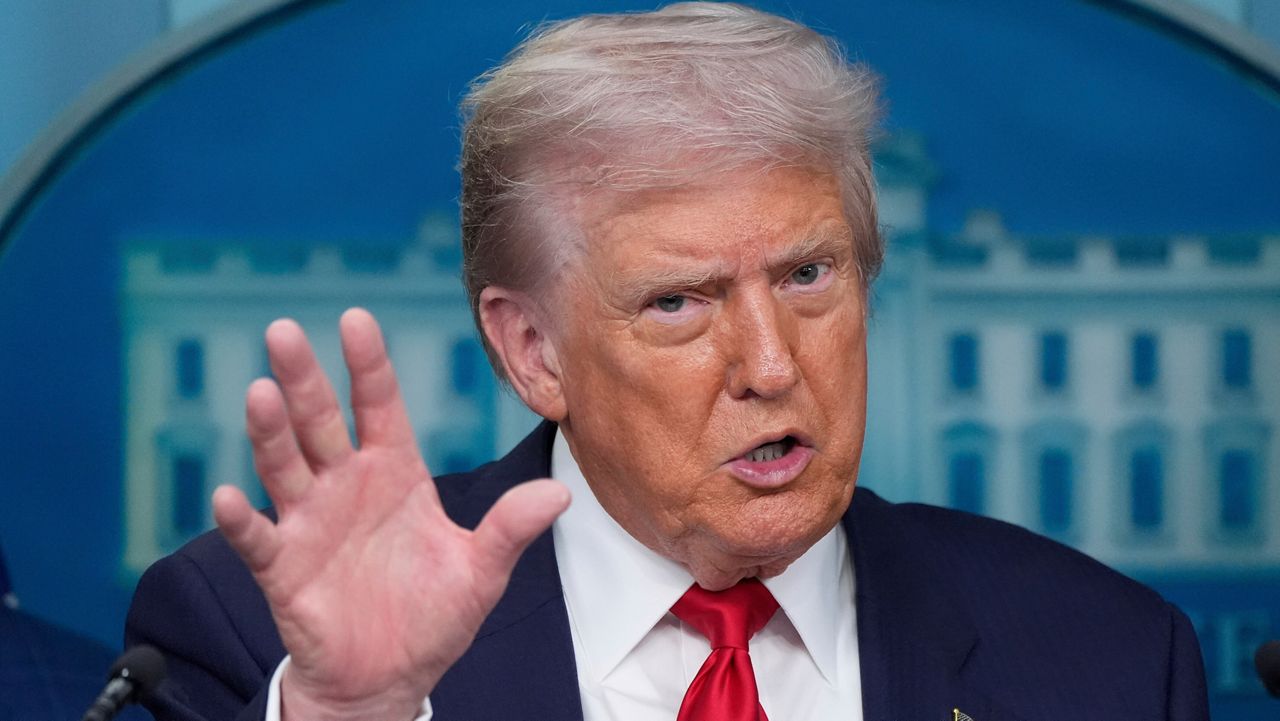
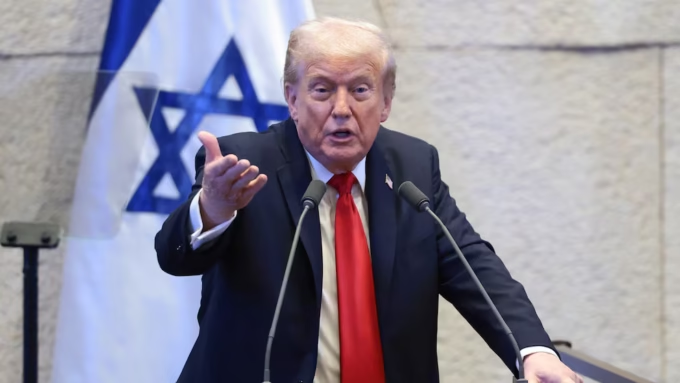
Recently, U.S. President Donald Trump has voiced outrage over the killing of Christians in Nigeria, presenting it as a matter of humanitarian concern. Yet the reality is far more complex and deeply political. Nigeria’s population is nearly evenly divided between Muslims and Christians, making the region’s religious balance historically sensitive. Since the mid-2000s, however, the United States significantly increased its covert operations in Africa under the banner of the “war on terror,” with consequences that ultimately destabilized Nigeria.
Before 2000, Nigeria had no notable terrorist groups. But just two years after America’s covert presence increased, Boko Haram emerged in 2002. Initially a small religious sect, it quickly developed into West Africa’s first organized terrorist network. The group remained relatively obscure until 2007, when the U.S. established the U.S. Africa Command (AFRICOM). Following this, the CIA, NSA, and U.S. Special Forces launched numerous covert counterterrorism operations across Nigeria, Niger, Chad, Mali, and Cameroon. African researchers argue that these operations inadvertently allowed extremist groups to grow in strength and organization. By 2009, Boko Haram had evolved into a sophisticated organization with access to modern weapons, structured leadership, and international media coverage.
Global reports suggest that intelligence agencies, including the CIA and MI6, expanded operations in West Africa under the pretext of countering ISIS. Rather than suppressing Boko Haram, these interventions indirectly empowered it. Some experts contend that the underlying aim was to keep resource-rich countries like Nigeria—especially oil- and gas-rich regions—unstable, thereby securing long-term U.S. influence.
The rise of terrorism in Nigeria, therefore, cannot simply be attributed to religious conflict; it is also a consequence of foreign intervention. When Trump now vocally condemns the killings of Nigerian Christians, he is essentially attempting to exploit a crisis that U.S. policies themselves helped create.






Leave a comment