

In a recent U.S. Senate hearing, Senator Bill Hagerty made sensational claims that China had achieved battlefield superiority through the use of advanced electromagnetic weapons capable of “literally melting Indian soldiers” during the 2020 border clashes in Ladakh. The statement, tied to India’s shifting strategic orientation away from Washington and closer to Beijing and Moscow, immediately raised eyebrows across the geopolitical spectrum.
Indian media outlets reacted swiftly, with The Times of India suggesting that the claim could be an attempt to disrupt improving Sino-Indian ties, while Mint dismissed the statement as “bizarre.” The Week provided factual correction, reminding readers that the 2020 Galwan Valley clashes involved hand-to-hand combat with crude weapons like wooden clubs studded with nails and barbed wire, not high-tech energy weapons.
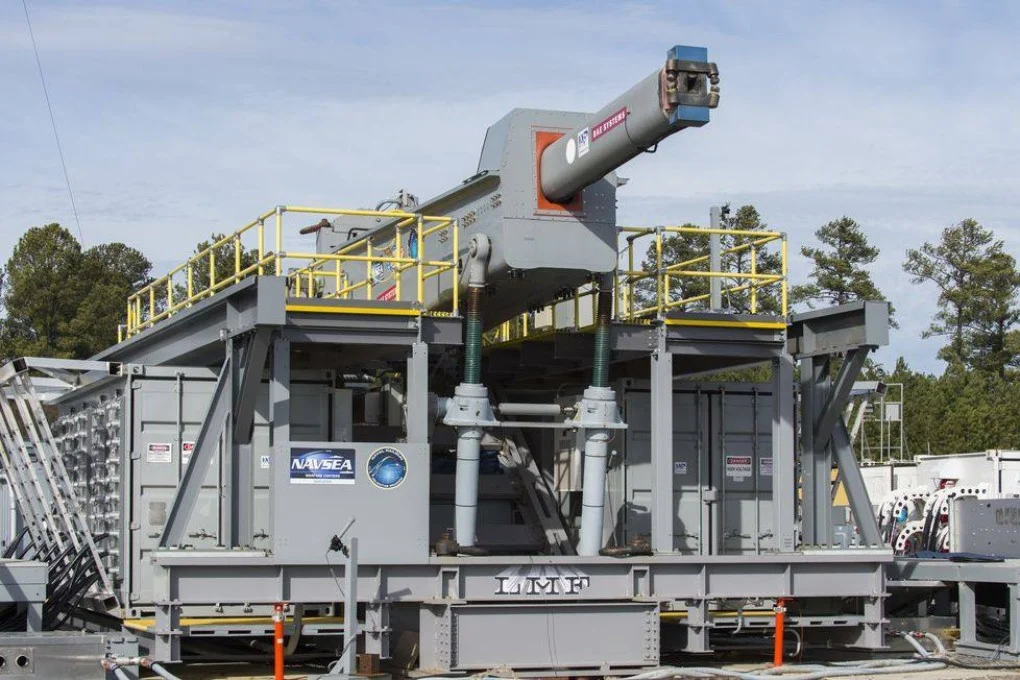
Experts have also weighed in, underscoring that while electromagnetic systems such as EMPs (electromagnetic pulses) and railguns are under research globally, there is no credible evidence of any military possessing a weapon capable of producing thermal energy strong enough to melt human tissue on the battlefield. Most directed-energy programs focus on disabling electronics or neutralizing drones, not inflicting biological harm of the kind Hagerty described.
The senator’s remarks come at a time when Washington is increasingly wary of India’s deepening energy and defense ties with Russia and growing economic engagement with China. Analysts suggest such claims could be aimed at reinforcing a narrative of Beijing’s technological threat while simultaneously pressuring New Delhi to remain aligned with U.S. strategic interests.
For now, the “troop-melting” claim appears to be more science fiction than fact. However, its geopolitical implications—framing China as an existential technological adversary and India as a potential partner swaying between superpowers—add yet another layer of complexity to the evolving U.S.-China-India triangle.












Leave a comment