

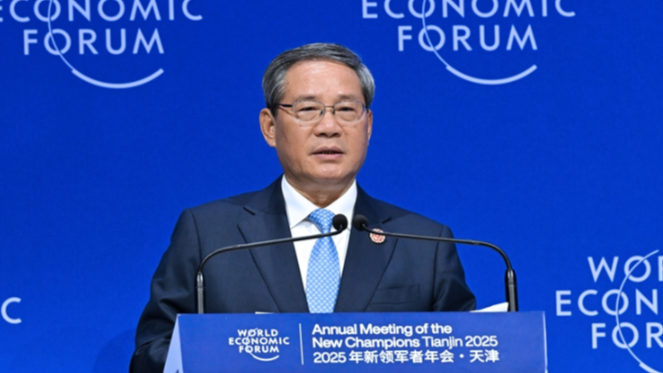
Chinese Premier Li Qiang issued a subtle but pointed warning against rising global tensions during his address to the United Nations General Assembly on Friday, cautioning the international community against reviving a “Cold War mentality.” Though he avoided naming the United States or President Donald Trump directly, his remarks were widely interpreted as a veiled critique of U.S. foreign and economic policies.
“The world has entered a new period of turbulence and transformation,” Li said, addressing delegates in New York. “Unilateralism and Cold War mentality are resurfacing. The international rules and order built over the past 80 years are under serious challenge, and the once effective international system is constantly disrupted.”
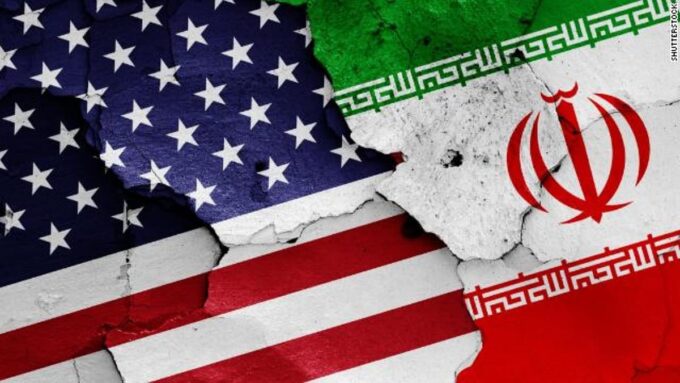
Framing China as a steadfast supporter of multilateralism and global cooperation, Li presented Beijing as a responsible global actor seeking to preserve international institutions, trade systems, and diplomatic norms. His comments come at a time when U.S.-China relations remain strained over issues ranging from trade and technology to territorial disputes and military posture in the Asia-Pacific region.
Li took direct aim at protectionist policies, particularly the use of tariffs, which have become a hallmark of former President Trump’s economic strategy. While a trade truce between Washington and Beijing has been reached in recent years, tariffs continue to impact global markets.
“A major cause of the current global economic doldrums is the rise in unilateral and protectionist measures such as tariff hikes and the erection of walls and barriers,” Li said. “China has consistently opened its door wider to the world.”
Reaffirming China’s support for the United Nations, Li emphasized Beijing’s commitment to global governance and peaceful development. “China hopes to work with the rest of the world to uphold the ideals of the UN,” he said.
Li’s speech also touched on regional security, particularly tensions in the South China Sea. The United States and its allies have long urged China to respect international maritime law and to refrain from militarizing disputed waters. In contrast, the Trump administration has increasingly shifted away from supporting multilateral frameworks in favor of projecting U.S. power unilaterally.
Despite ongoing disputes and growing competition between the world’s two largest economies, Li positioned China as a force for stability, calling for collaboration rather than confrontation in a rapidly changing geopolitical landscape.







Leave a comment