

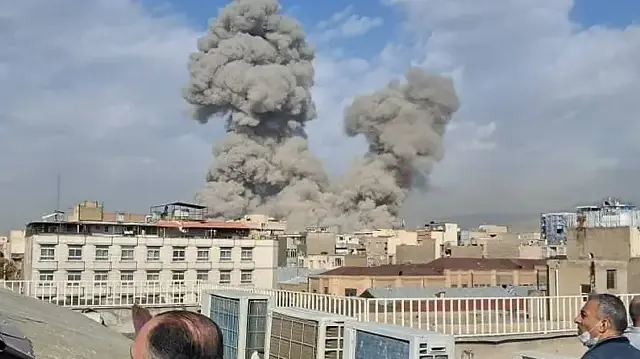
Washington: Explosions rocked Tel Aviv, Tehran, Qom, and Beirut on Tuesday, sending shockwaves through global financial markets amid fears of a prolonged disruption to energy supplies on the fourth day of the US-Israeli military campaign against Iran.
Israeli and US strikes reportedly hit the Assembly of Experts building in Qom, responsible for electing Iran’s next Supreme Leader, causing severe structural damage, though information about casualties remains unclear. Local media reported that the building is no longer being used for meetings, following earlier strikes on the Assembly’s main headquarters in Tehran.
Early Tuesday, Tehran experienced multiple explosions, with the Israeli military claiming attacks on over 10 Iranian Ministry of Intelligence headquarters and several Quds Force facilities. Israel also reported targeting Iran’s state radio and television headquarters, while Iran confirmed strikes on Mehrabad airport, which handles domestic flights. Residents reportedly flooded highways in an effort to flee the cities.
Iran further stated that its nuclear facility at Natanz had been attacked. According to the Red Crescent, 787 deaths have been reported from the ongoing attacks. The Fars news agency also reported that Supreme Leader Ayatollah Ali Khamenei will be laid to rest in Mashhad, his birthplace and the site of his family’s burial at the Imam Reza shrine.
Iran retaliated overnight with missile strikes on Tel Aviv, prompting emergency teams and search-and-rescue operations in central Israel. Three individuals were lightly injured, and police reported multiple impact sites caused by missile debris.
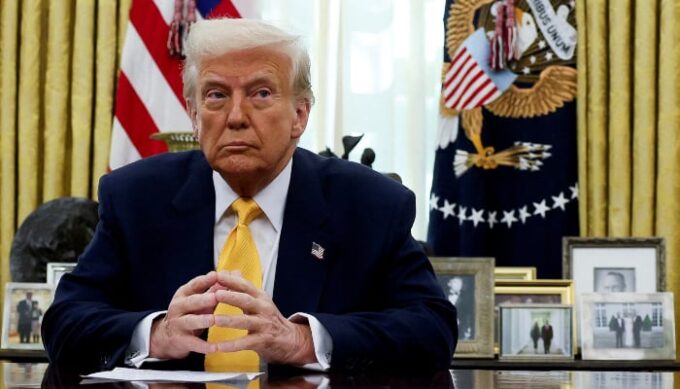
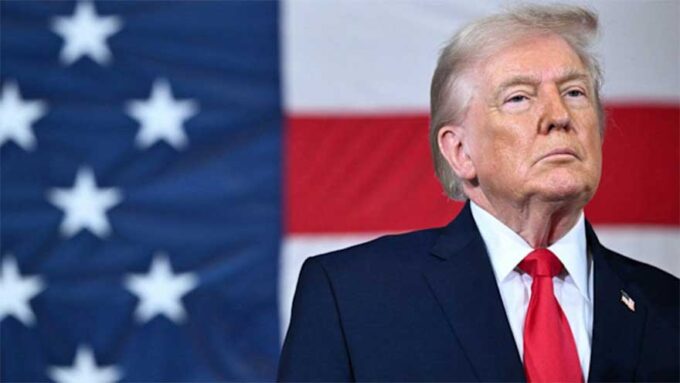
US President Donald Trump commented on the succession crisis in Iran, suggesting it would be preferable for the new leadership to come from within Iran rather than the son of the ousted Shah, Raza Pahlavi. Trump warned that the worst-case scenario would be a new leader as authoritarian as the late Ayatollah Khamenei. He justified the US involvement in the strikes as preemptive, citing the imminent threat of Iranian attacks on US forces. Secretary of State Marco Rubio added that the strikes aimed to prevent higher American casualties, emphasizing that ground forces were not currently deployed in Iran.
US authorities issued evacuation orders for American citizens in 15 Middle Eastern countries, including Bahrain, Egypt, Iran, Iraq, Israel, Jordan, Kuwait, Lebanon, Oman, Qatar, Saudi Arabia, Syria, the UAE, and Yemen. The State Department advised the use of commercial travel, prompting criticism from lawmakers over the lack of government-assisted evacuation amid disrupted airspace.
Meanwhile, the US embassy in Riyadh issued warnings after being attacked by drones earlier in the day, causing a small fire. Non-essential US personnel and family members were ordered to leave the UAE, Qatar, Kuwait, Bahrain, Iraq, and Jordan, and several diplomatic missions were temporarily closed.
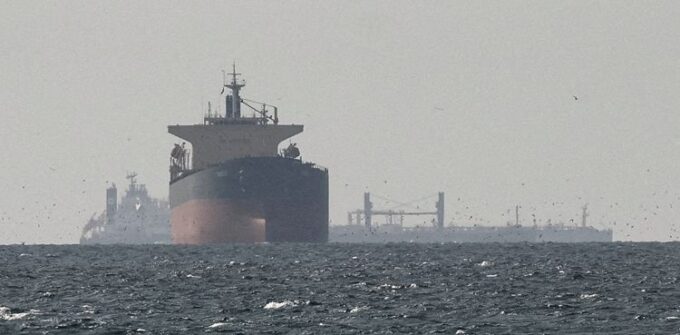
Drone attacks in Gulf states continued, targeting an oil storage zone in the UAE and a fuel tank in Oman, as Iran expanded its strikes beyond US assets. In Oman, drones hit the port of Duqm, marking the second attack in three days. AFP correspondents reported explosions in Manama and Doha, with air raid sirens signaling continued escalation.
The unfolding conflict has intensified fears of regional destabilization, highlighting the vulnerability of civilian infrastructure, energy facilities, and diplomatic missions across the Middle East as both military and political crises escalate.






Leave a comment